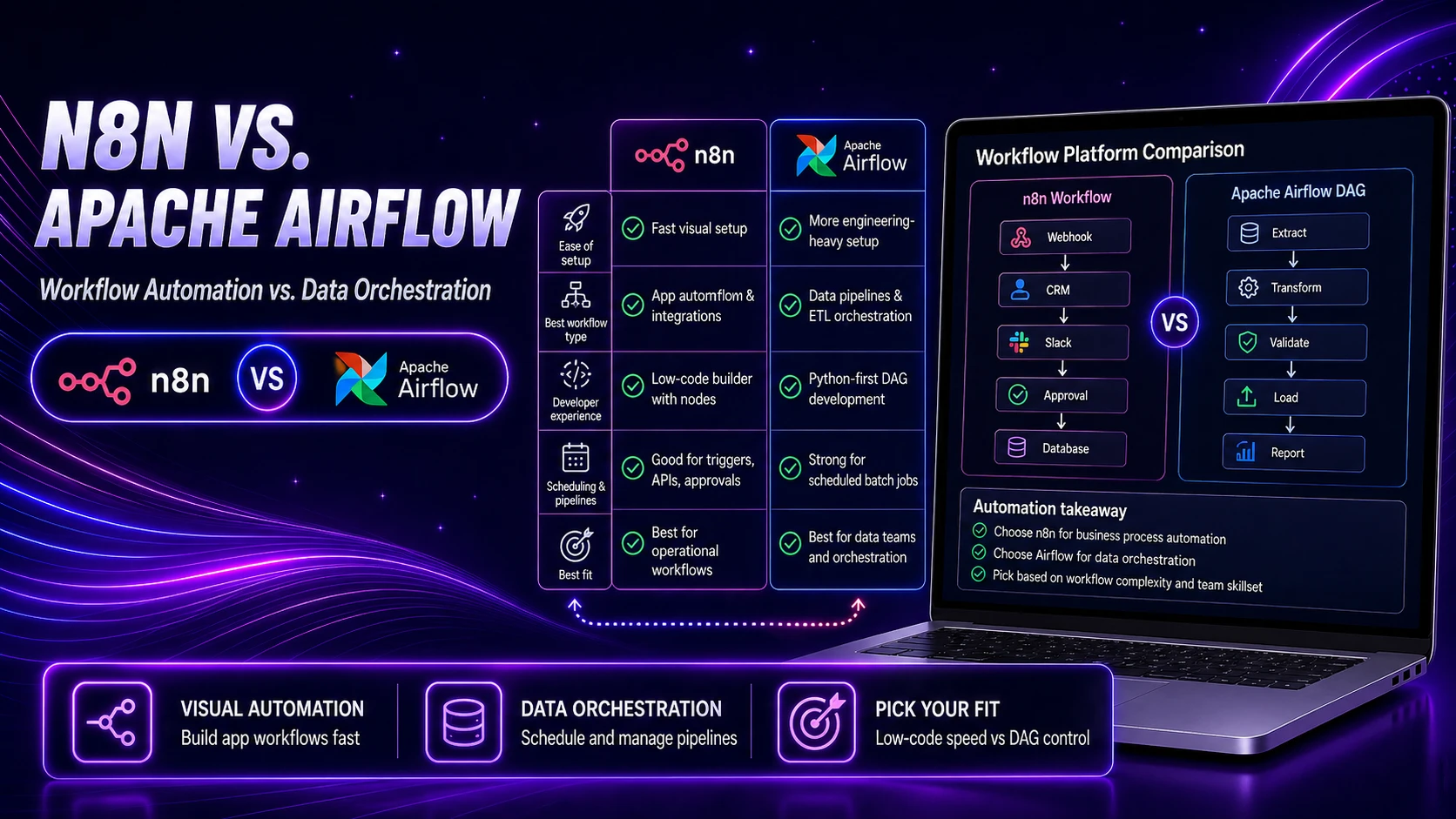
n8n vs Apache Airflow: Workflow Automation or Data Orchestration
Compare n8n and Apache Airflow for workflow automation, data orchestration, real-time triggers, batch pipelines, retries, dependencies, and hybrid architectures.

Last Updated on September 13, 2026 by Triumphoid Team
There’s a persistent misconception that n8n and Apache Airflow compete.
They don’t—at least not in any serious architecture.
They solve different problems, operate on different time assumptions, and fail in completely different ways. Comparing them directly without context is how teams end up misusing both.
If you’re deciding between them, you’re already asking the wrong question.
The real question is:
Are you reacting to events—or orchestrating data over time?
The Core Difference (Strip Everything Else Away)
| Dimension | n8n | Apache Airflow |
|---|---|---|
| Execution model | Event-driven | Schedule-driven |
| Primary language | JavaScript / Node.js | Python |
| Use case | Real-time automation | Batch data orchestration |
| Trigger type | Webhooks, API events | Cron schedules, DAG runs |
| Latency expectation | Seconds | Minutes to hours |
| Typical user | Ops / growth / dev teams | Data engineers |
If you remember nothing else:
n8n reacts. Airflow plans.
What n8n Actually Looks Like in Practice
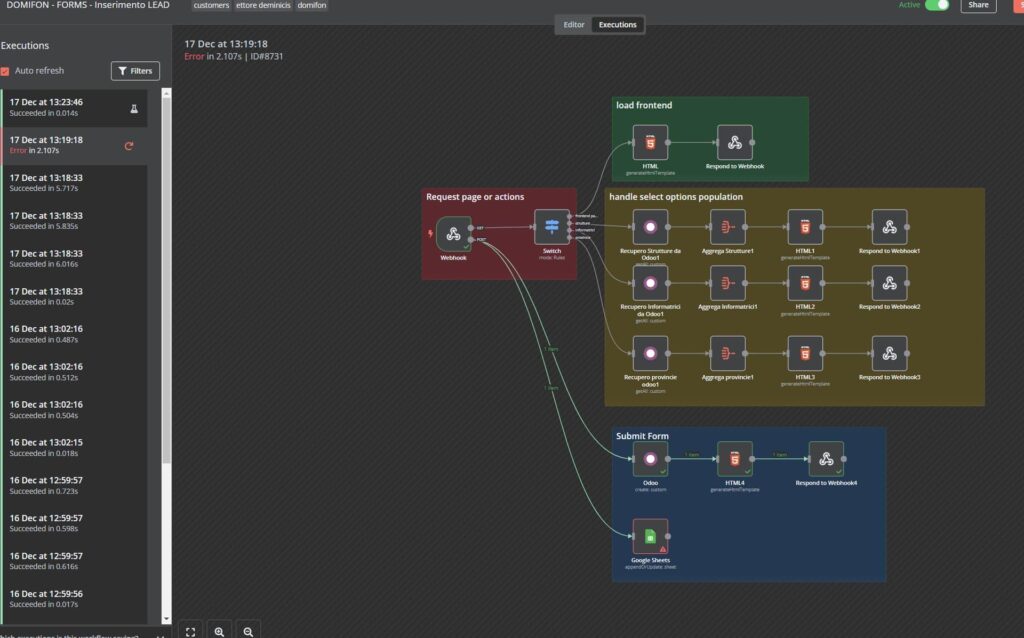
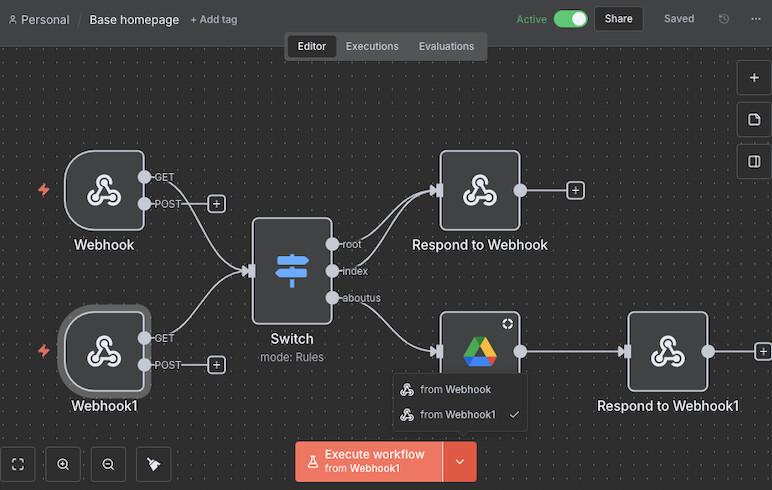
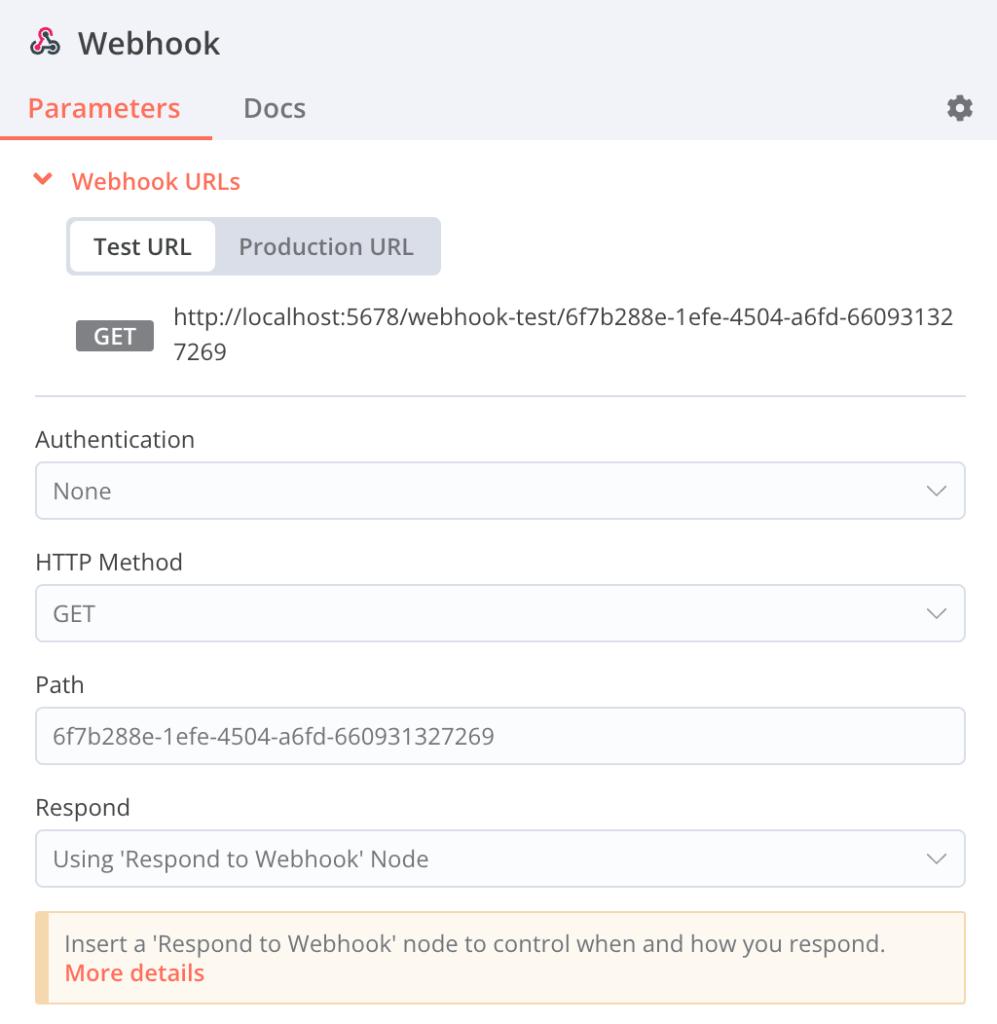
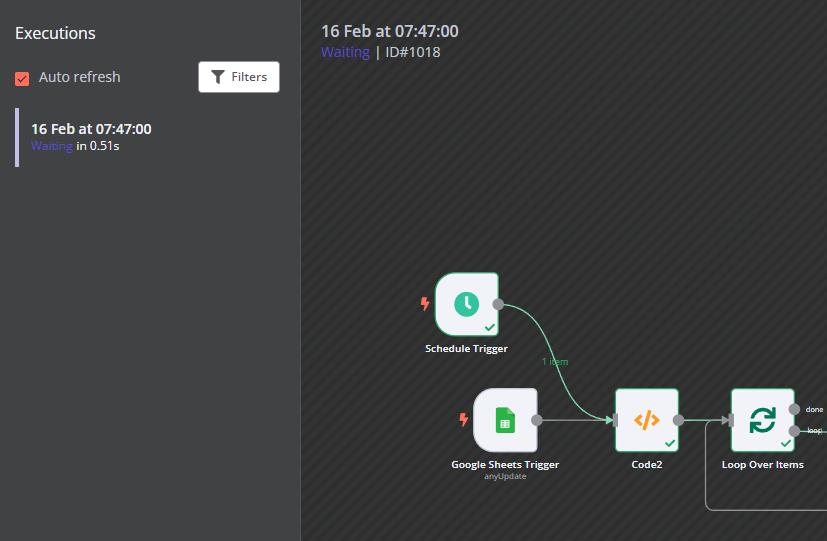
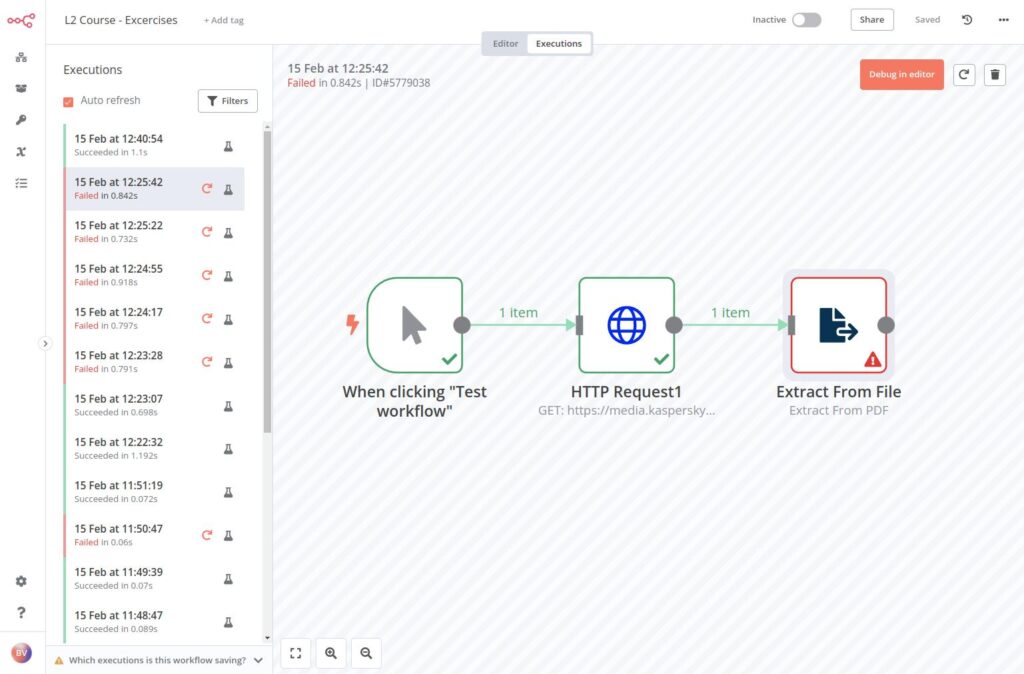
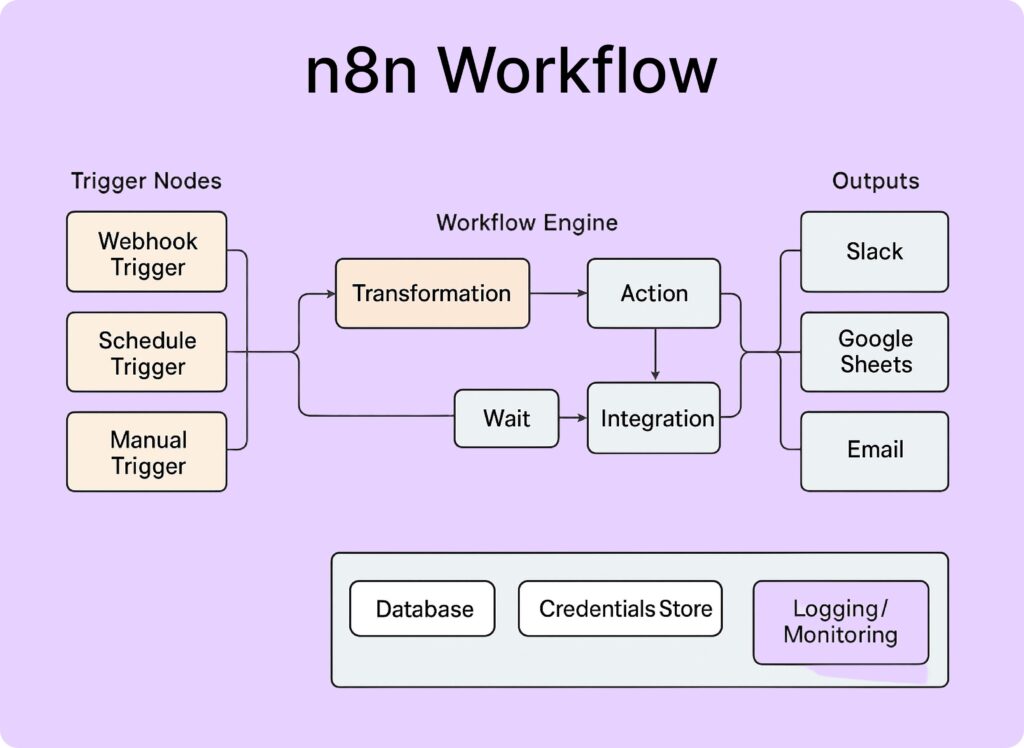
What the screenshot shows:
A typical n8n workflow with a webhook trigger feeding into API nodes and conditional branches. You can see how execution flows node-by-node, with real-time outputs visible per step.
This is not a scheduler. This is a reactive system.
Example: Real-Time Lead Processing
// n8n Function Node
if ($json["country"] === "US") {
  return [{ pipeline: "US Sales" }];
} else {
  return [{ pipeline: "Global Sales" }];
}
The moment data arrives, n8n executes.
There’s no waiting. No queue (unless you configure one). No “next run.”
That immediacy is exactly why teams love it—and also why they misuse it.
What Airflow Actually Looks Like in Practice
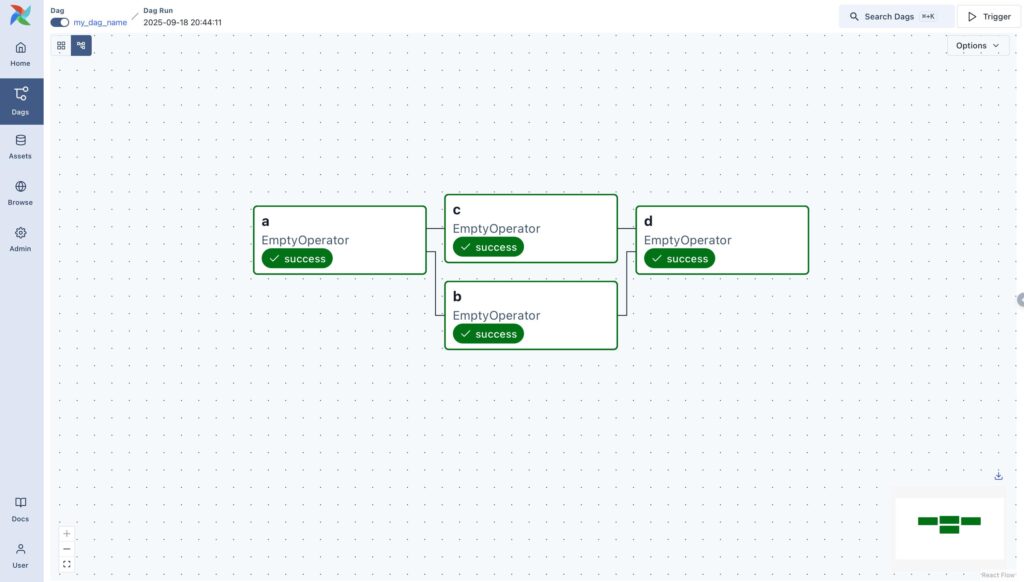
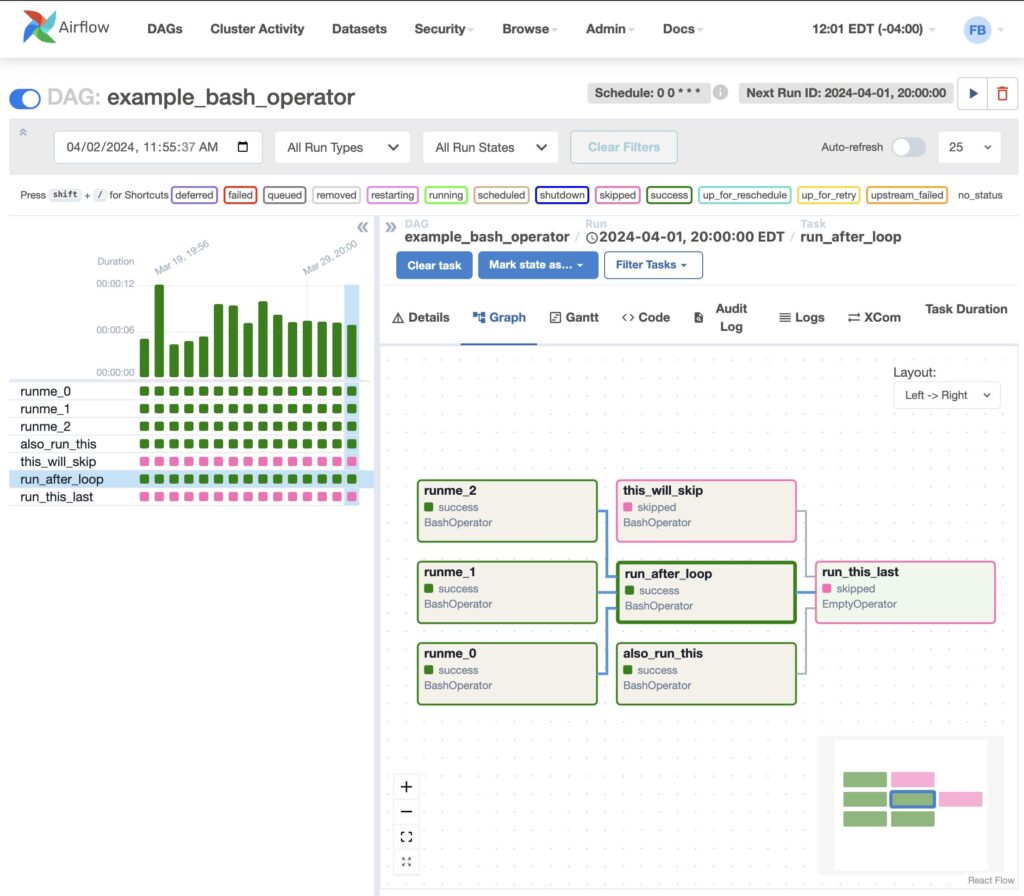
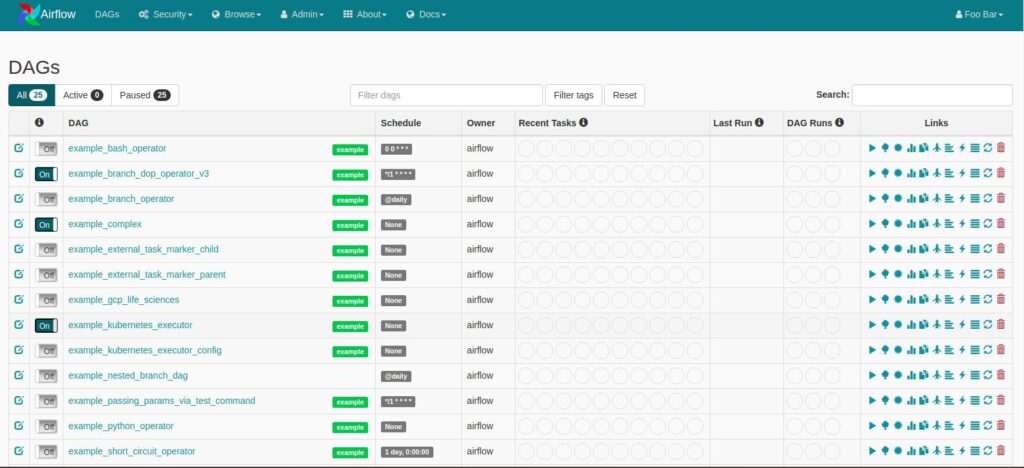
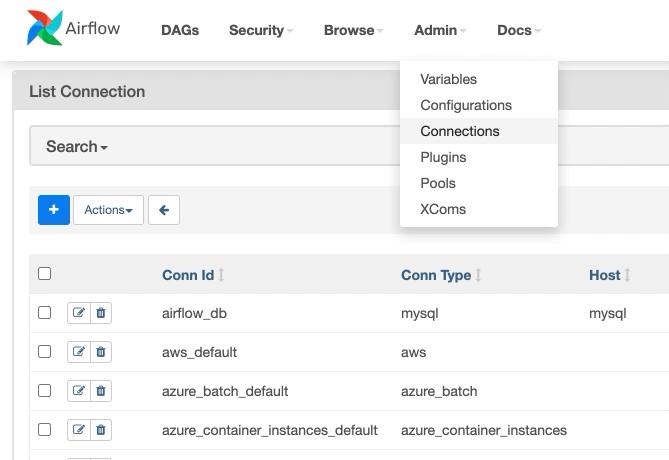
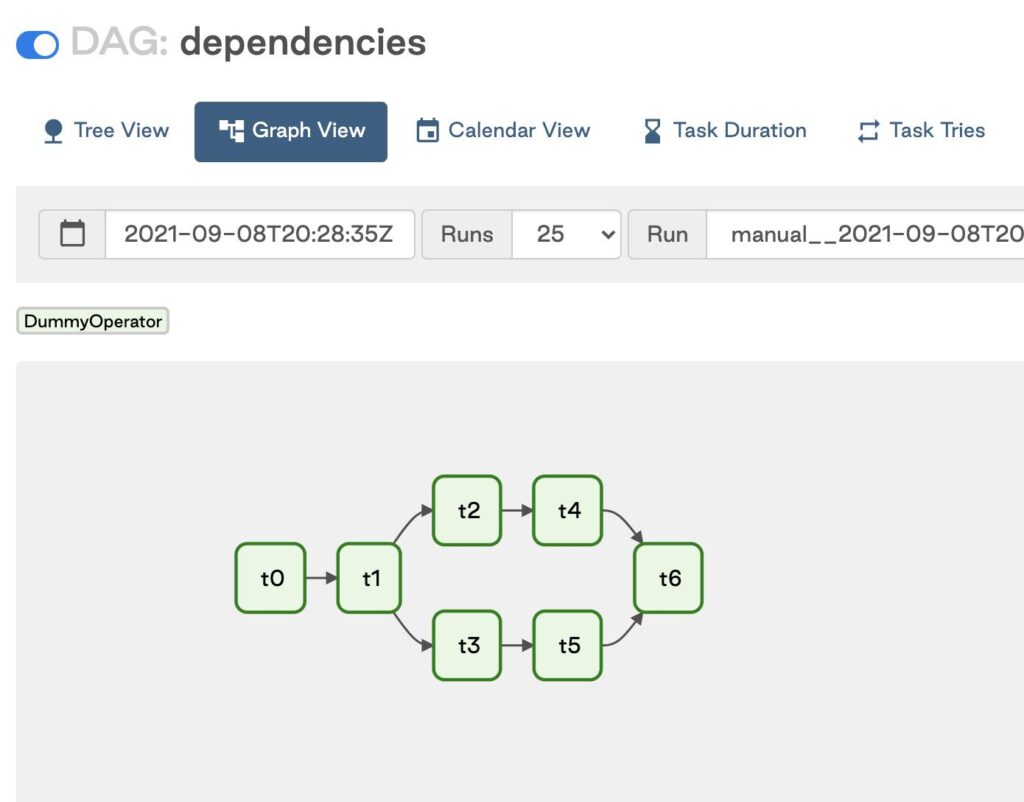
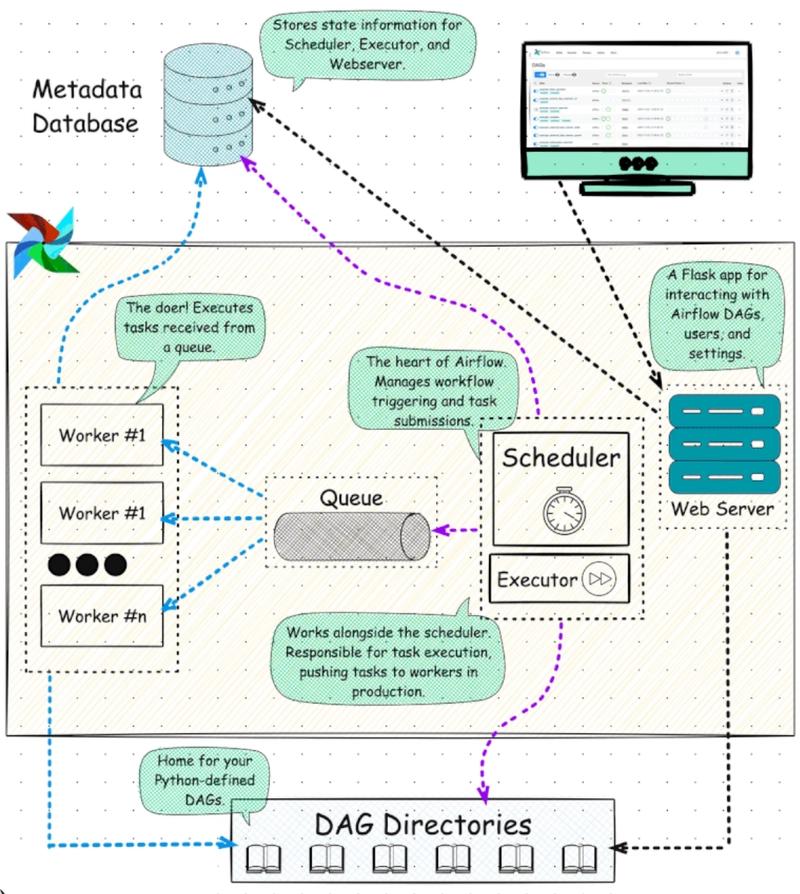
What the screenshot shows:
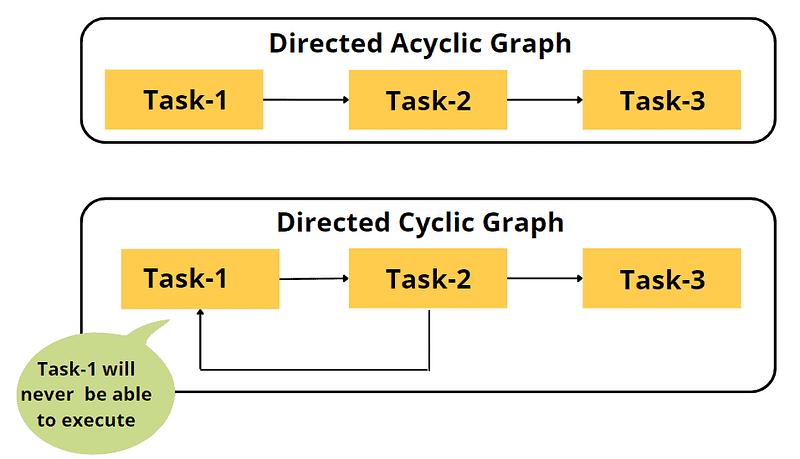
An Airflow DAG (Directed Acyclic Graph) where tasks are defined in Python and executed based on dependencies. Each node represents a task, and execution follows a predefined schedule.
This is not reactive.
This is orchestrated over time.
Example: Airflow DAG
from airflow import DAG
from airflow.operators.python import PythonOperator
from datetime import datetime

def process_data():
    print("Running batch job")

dag = DAG(
    'daily_pipeline',
    start_date=datetime(2024, 1, 1),
    schedule_interval='@daily'
)

task = PythonOperator(
    task_id='process',
    python_callable=process_data,
    dag=dag
)
This runs whether you like it or not. Every day. Predictably.
That’s the point.
Real-Time vs Scheduled: Why This Matters More Than It Seems
Here’s where teams go wrong.
They try to force one tool into the other’s job.
| Use Case | Correct Tool | Why |
|---|---|---|
| User submits form | n8n | Needs instant reaction |
| Sync CRM nightly | Airflow | Batch consistency matters |
| Trigger Slack alert on event | n8n | Real-time signal |
| Rebuild analytics tables | Airflow | Heavy compute + dependencies |
| Process webhook → API → DB | n8n | Low latency |
| Run ETL pipeline across systems | Airflow | Orchestrated sequencing |
If you try to run batch pipelines in n8n, you’ll hit:
- memory issues
- poor retry logic
- execution chaos
If you try to run real-time triggers in Airflow, you’ll get:
- latency
- complexity
- unnecessary overhead
Different tools. Different physics.
When You Should Use Both Together (This Is Where It Gets Interesting)
This is the part most comparisons skip.
The strongest architectures don’t choose between n8n and Airflow.
They combine them.
Hybrid Architecture Example
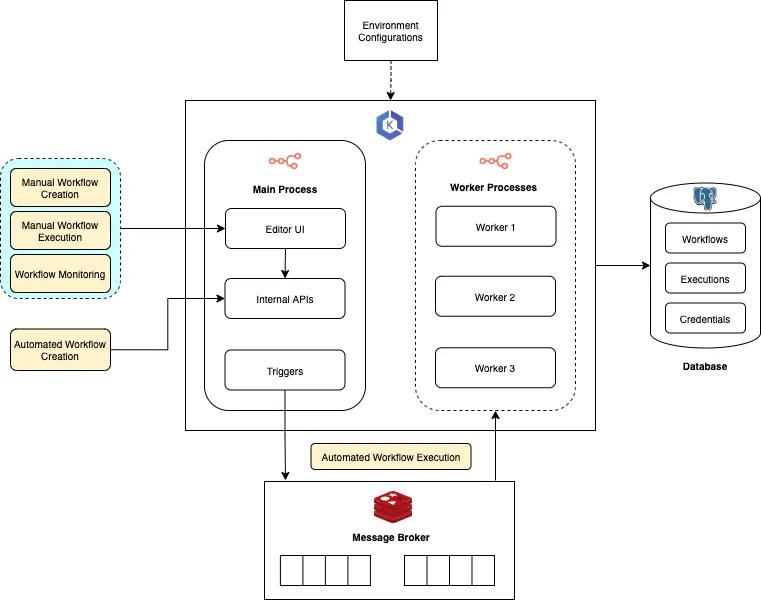
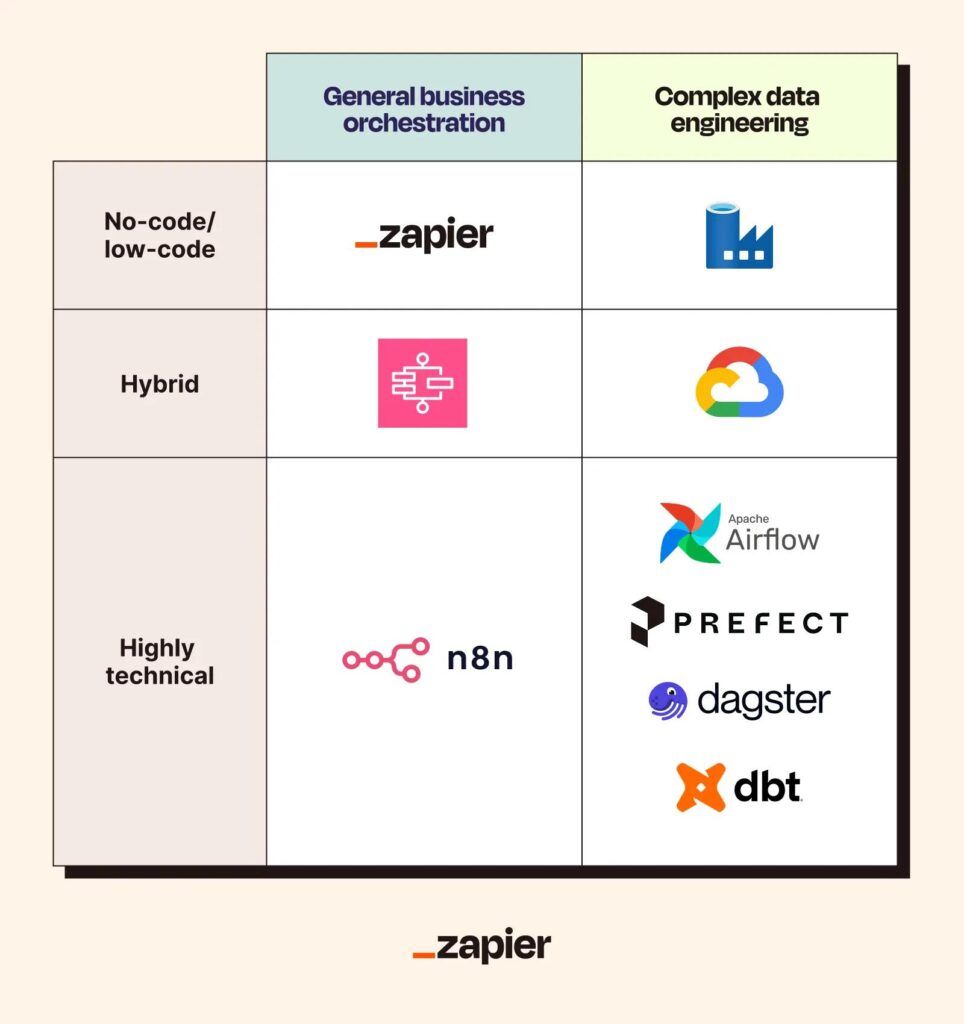
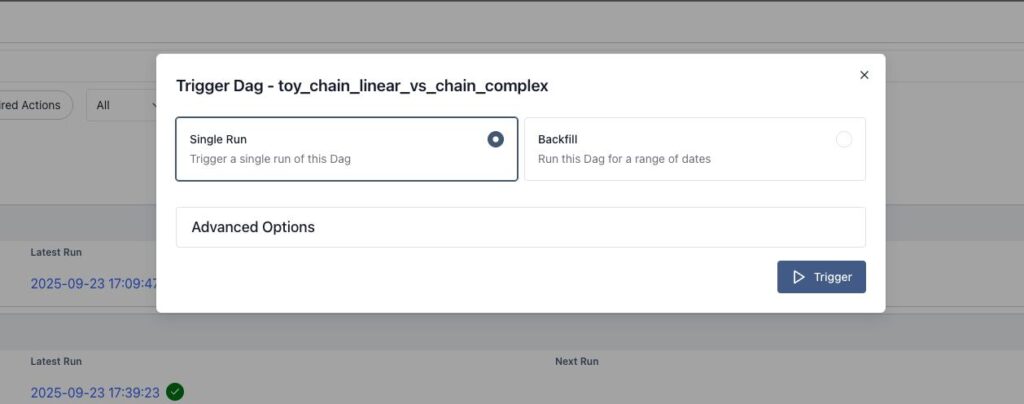
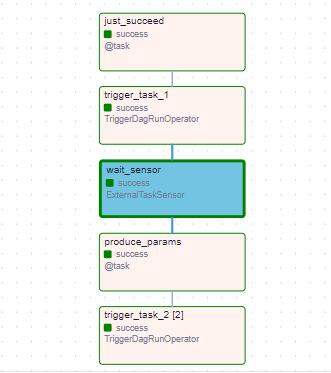
What the screenshot shows:
A layered architecture where n8n handles incoming events (webhooks, APIs), then triggers Airflow DAGs for heavy data processing and batch orchestration.
Flow Breakdown
| Step | Tool | Action |
|---|---|---|
| User event occurs | n8n | Captures webhook |
| Validate + enrich data | n8n | Lightweight processing |
| Trigger batch pipeline | Airflow | API call to DAG |
| Process data warehouse jobs | Airflow | Heavy ETL |
| Store results | Airflow | DB / warehouse |
| Notify systems | n8n | Slack / CRM update |
This separation is clean.
- n8n handles signals
- Airflow handles workloads
Why This Architecture Works
Because it respects system boundaries.
n8n is not forced to:
- handle large datasets
- manage retries at scale
- orchestrate dependencies
Airflow is not forced to:
- react instantly
- parse webhooks
- deal with user-triggered chaos
Each does what it’s designed to do.
Python Dependency Management (Where Both Tools Hurt You)
Let’s talk about the part nobody enjoys.
Airflow Dependency Problems
Airflow lives in Python. That sounds great—until:
- package versions conflict
- dependencies break DAGs
- environment drift occurs
Example nightmare:
pip install pandas==2.0
pip install airflow
Now your DAG breaks because:
- Airflow expects older dependencies
- pandas updated behavior
- some operator fails silently
You end up managing:
- virtual environments
- Docker containers
- pinned requirements.txt
This is not optional. It’s survival.
n8n Dependency Problems (Yes, It Has Them Too)
n8n avoids Python—but introduces its own issues:
- Node.js version mismatches
- custom function node dependencies
- external API library quirks
Example:
const axios = require('axios'); // not always available
Suddenly:
- module not found
- execution fails
- no clear error
n8n hides complexity until you need something custom.
Then it shows up all at once.
Dependency Comparison
| Issue | n8n | Airflow |
|---|---|---|
| Language ecosystem | Node.js | Python |
| Dependency conflicts | Moderate | Severe |
| Environment setup | Easier | Complex |
| Version control | Looser | Strict |
| Production stability | Good if simple | Strong if managed properly |
Airflow is harder—but more predictable once stabilized.
n8n is easier—but less controlled when pushed beyond basics.
Where Teams Usually Mess This Up
Let’s be honest.
| Mistake | Outcome |
|---|---|
| Using n8n for heavy ETL | Performance issues |
| Using Airflow for real-time events | Latency + complexity |
| Ignoring dependency management | Broken pipelines |
| Mixing responsibilities | Debugging chaos |
This isn’t about tools.
It’s about architecture discipline.
A Subtle but Important Insight
n8n feels like a tool.
Airflow feels like infrastructure.
That difference affects:
- how teams adopt them
- how they scale them
- how they break them
Final Thought
If you treat n8n like Airflow, it will collapse under load.
If you treat Airflow like n8n, it will feel unnecessarily heavy.
So don’t ask:
“Which one should we use?”
Ask:
“Are we reacting to events—or orchestrating systems over time?”
Because once you answer that honestly, the decision becomes obvious.
Practitioner take: n8n is strongest when business events need to trigger actions across SaaS tools. Airflow is strongest when data jobs need dependency control, reproducibility, and scheduled orchestration.
n8n vs Airflow: use-case fit
| Workload | Better fit | Reason |
|---|---|---|
| Lead arrives, enrich it, notify sales | n8n | Event-driven SaaS automation with fast feedback |
| Nightly warehouse transformation | Airflow | DAG scheduling, dependencies, and backfills matter |
| Webhook intake with light validation | n8n | Low-latency trigger handling |
| Multi-step data pipeline with retries | Airflow | Task isolation and repeatability are the core value |
The hybrid pattern is usually cleaner
Use n8n as the signal layer and Airflow as the workload layer. n8n can accept a business event, validate it, and trigger the right DAG; Airflow can own the heavy data movement and backfill semantics. That separation matches the automation architecture principle that triggers and workloads should not be forced into the same tool.
FAQ
Can n8n replace Airflow?
For lightweight operational automation, yes. For serious scheduled data pipelines with dependency graphs, backfills, and reproducible task execution, no. Use the tool that matches the workload.
The official Apache Airflow documentation is the right reference for DAG, scheduling, and orchestration semantics.