
Last Updated on January 8, 2026 by Triumphoid Team
ERP selection criteria have become a battleground of distortion in 2026. Every vendor claims “future-proof scalability,” “AI-driven efficiency,” and “modular flexibility,” yet the reality is far more tangled. Enterprises don’t fail because they chose the wrong ERP — they fail because they chose one without understanding the long-term consequences of lock-in, integration friction, and internal capability gaps. Ignore the hype around “the perfect all-in-one platform.” There is no perfect ERP. There are only ERPs that fit your operating model — or erode it slowly.
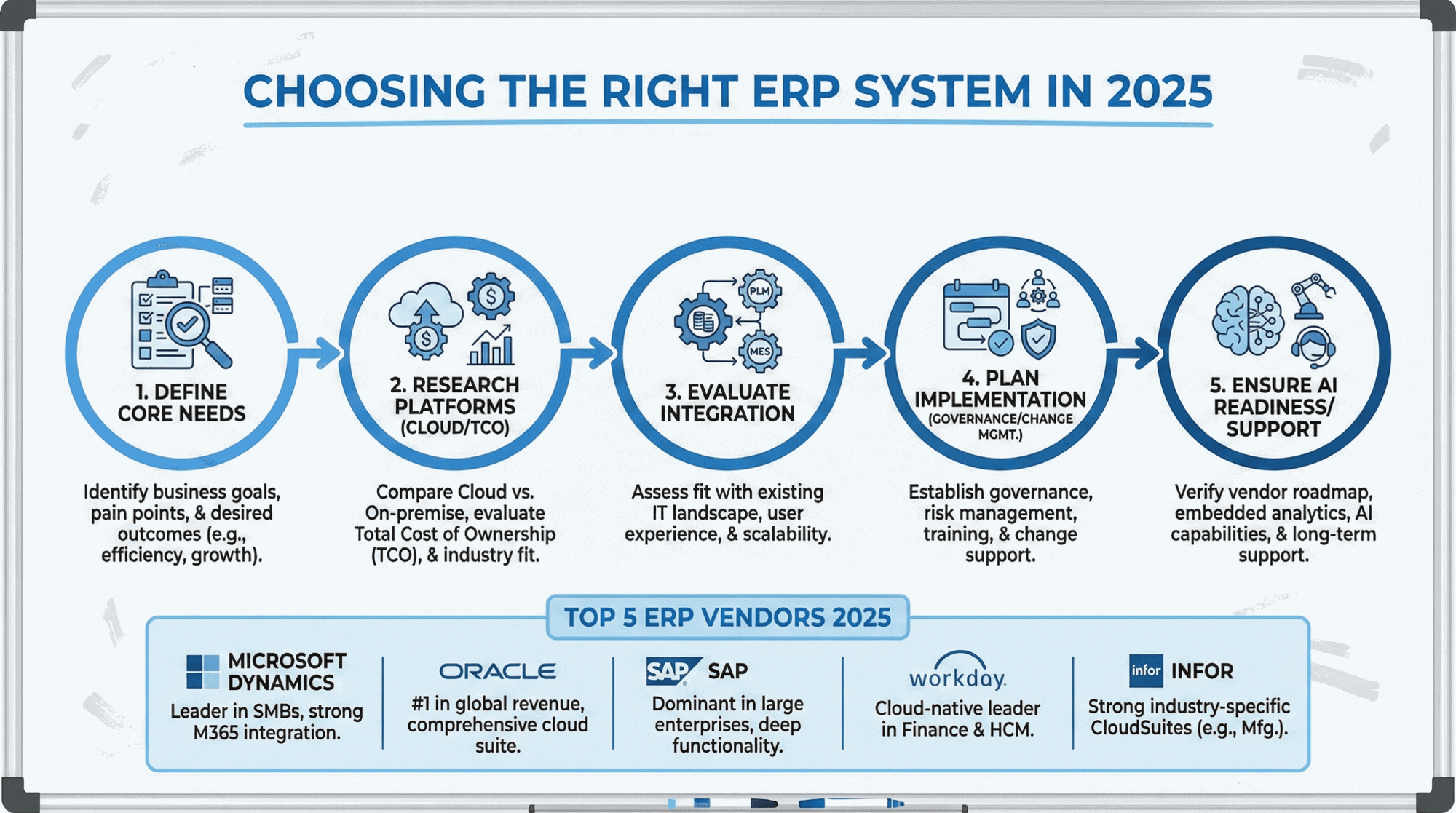
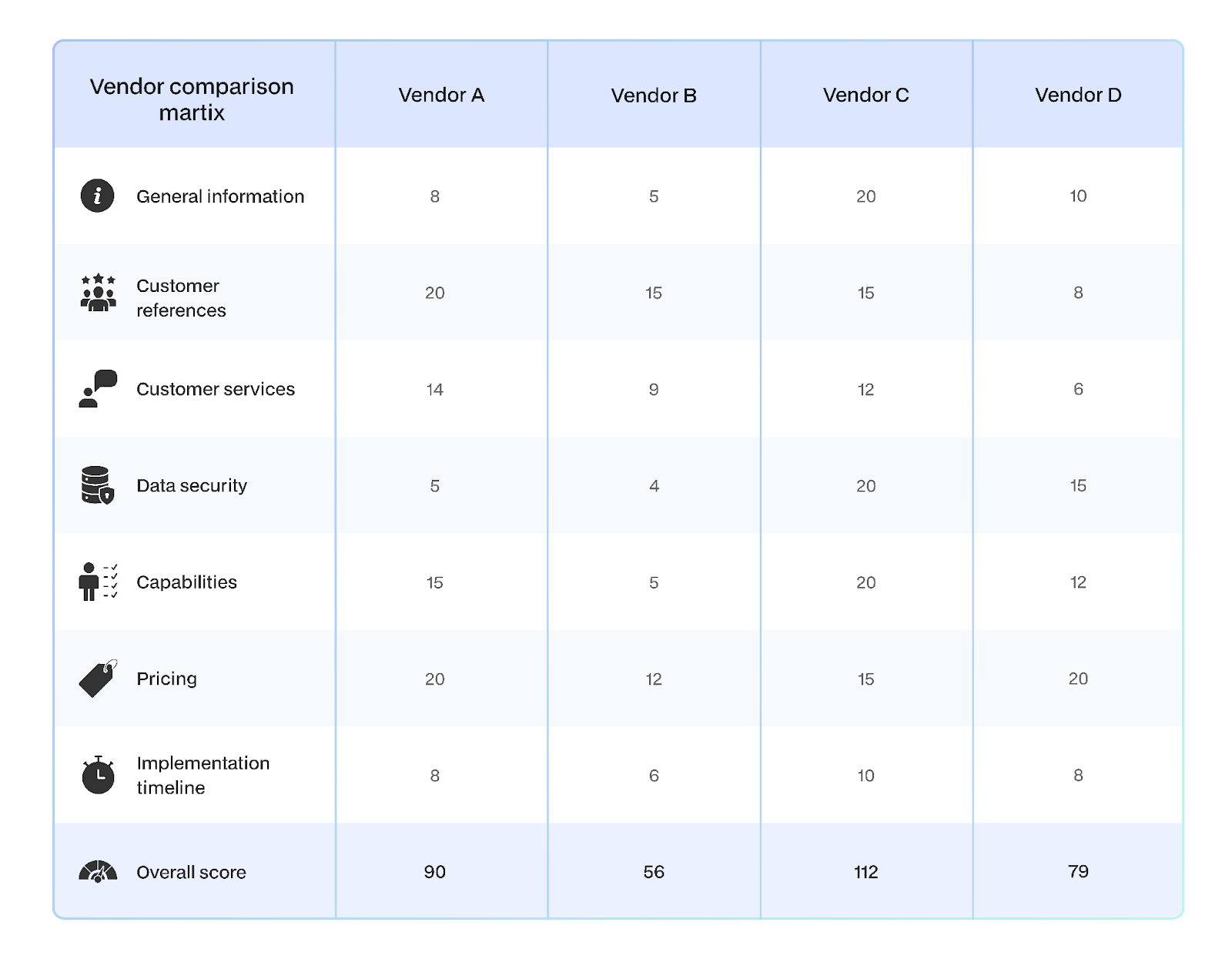
Before diving into the consulting playbook, let’s ground ourselves visually:
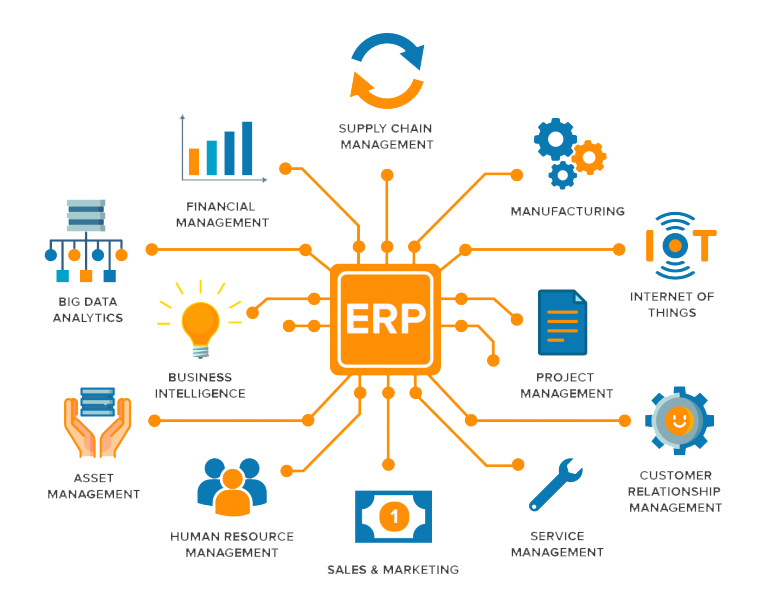
The Brutal Truth About ERP Selection in 2026
ERP buying cycles used to be slow, deliberate, and heavily IT-driven. Today? The urgency is higher, the stakes are bigger, and internal pressure is immense. CFOs want real-time forecasting. Operations wants automation. Procurement wants compliance. Leadership wants scalability. And the system you choose must not only serve today’s business — it must anticipate the business you haven’t built yet.
Here’s the reality experienced consultants whisper behind closed doors: most ERP failures stem from political misalignment and poor vendor governance, not technology flaws. The tech is rarely the problem. The relationship is.
You’re not just buying software. You’re buying a 7-10 year marriage.
ERP Buyers Often Overestimate Features and Underestimate Constraints
One of the biggest problems in ERP selection is the obsession with feature checklists. Enterprises love scoring sheets, but checklists mislead because:
- Every vendor claims parity
- Feature descriptions are intentionally vague
- Demo environments are staged illusions
- Missing constraints are never disclosed
ERP vendors are experts at choreographed demos. You won’t see the operational friction, the integration failures, the versioning limitations, or the permissions model that makes your security team cry.
To be frank, “feature-rich” ERPs often hide the most dangerous form of lock-in: workflow rigidity disguised as capability.
The Lock-In Problem: Subtle, Delayed, and Expensive
Lock-in in 2026 is rarely overt. No vendor says, “You’ll never leave us.” Instead, they rely on:
- Proprietary scripting languages
- Closed integration frameworks
- Licensing based on modules you barely use
- Long implementation cycles that kill switching costs
- Data models that don’t export cleanly
- Customization layers only their certified partners can modify
If you’re not careful, you’ll end up with a system you don’t fully control — where even minor changes require consulting hours, support tickets, or expensive vendor-certified specialists.
Here’s a simple table that illustrates ERP lock-in patterns:
| Lock-In Type | 🔍 How It Shows Up | ⚠️ Why It’s Dangerous |
|---|---|---|
| Technical lock-in | Proprietary extensions, rigid APIs | Limits future integrations and automation |
| Process lock-in | Workflow logic fused into vendor modules | Forces your business to conform to the ERP |
| Financial lock-in | Module-based pricing, escalating seat costs | Punishes scale instead of enabling it |
| Knowledge lock-in | Only vendor-certified teams can configure | Creates permanent dependency |
Most enterprises don’t realize they’re locked in until year three — usually right after expanding usage and signing a multi-year renewal.
ERP Selection Criteria That Actually Matter (Not the Ones in Vendor Brochures)
Forget the glossy marketing narrative. ERP selection is about fitting operational reality, not buying sophistication. You want a system that:
- Enhances process discipline, not replaces thinking
- Integrates cleanly with existing systems without middleware gymnastics
- Supports incremental adoption, not forced big bang rollouts
- Allows configuration without permanent developer reliance
- Keeps your data portable
- Easily adapts to M&A, new markets, or structural changes
This is where mature ERP selection criteria diverge sharply from the “feature checklist” mentality. You’re not just evaluating the vendor — you’re evaluating the ecosystem around them.
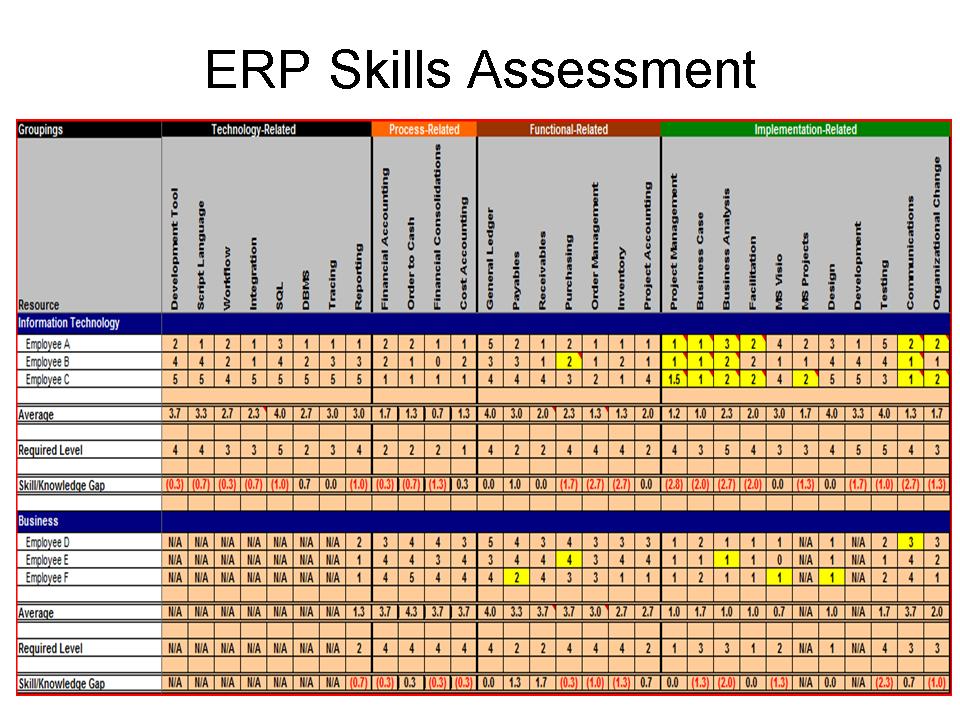
Let’s visualize this in a comparison-style framework:
Consulting Insight: The Vendor Is Not Your Partner — Until They Prove It
ERP vendors love calling themselves “partners.” That word means nothing until you test them under stress.
Real partnership looks like:
- Transparent pricing without surprise escalations
- Fast, technically competent support
- Reasonable customization paths
- Clean API documentation
- Honest communication about roadmap limits
Fake partnership looks like:
- Over-eager sales commitments
- Demos that solve problems you don’t actually have
- Pressure to buy modules early
- Fear-based renewal conversations
Have you ever noticed how ERP vendors behave beautifully during the sales cycle… and then communication rhythm slows dramatically once you sign? That’s the lock-in effect. The incentives change overnight.
This is why evaluating partnership behavior during selection is one of the most overlooked yet decisive components of ERP success.
How to Evaluate ERP Fit Without Getting Blinded by Vendor Demos
Demos are theater. Treat them as such.
Here’s how experienced consultants evaluate ERP fit:
- They run your real workflows, not demo scripts.
- They provide your real data, not curated samples.
- They use your edge cases, not generic ones.
- They test failure modes, not success stories.
- They ask the vendor to deliberately break the workflow, then watch how fast recovery happens.
Because ERP success isn’t determined by perfect scenarios — it’s determined by how the system behaves under strain.
The Most Misunderstood ERP Evaluation Criteria: Extensibility
Extensibility is not “it has an API.” Extensibility means the ERP can evolve alongside your business with minimal structural friction. And that includes:
- API stability over multi-year versions
- Webhooks that fire reliably
- Ability to replace modules without rewriting everything
- Support for workflow automation layers (Make.com, Workato, etc.)
- Clean data exports
- Governance-friendly permission models
If extensibility is weak, your ERP becomes your operational cage. And once a cage is built, tearing it down is costly.
The Consulting Blueprint: How to Choose ERP Software Without Getting Locked In
ERP selection criteria always boil down to three strategic questions:
- Can we govern this system?
- Can we extend this system?
- Can we leave this system if we have to?
If the answer to any of these questions is “no,” walk away.
Let’s break down the core pillars successful enterprises rely on when evaluating ERPs:
| Pillar | 🧠 What It Means Operationally | 🎯 What You Should Actually Test |
|---|---|---|
| Governance | Roles, permissions, audit logs, compliance | Can you control access without complexity? |
| Extensibility | APIs, automation, modularity | Will this ERP block future integrations? |
| Data Portability | Export rules, structure, ownership | Can you leave the vendor without a data war? |
| Scalability | Load, org complexity, multi-entity | Does scaling increase stability or fragility? |
| Vendor Behavior | Transparency + roadmap honesty | Do small requests turn into consulting upsells? |
Notice what’s missing? “Feature breadth.” It’s irrelevant without these pillars.
Why Enterprises Still Choose the Wrong ERP (Even With Good Criteria)
Because internal politics overpower good judgment.
Here’s the uncomfortable truth: ERP selection is rarely a technical decision. It’s a political alignment process disguised as one. Operations wants standardization. Finance wants forecasting. IT wants control. Sales wants ease. Leaders want transformation. And no ERP satisfies all of these simultaneously.
This is why decision frameworks collapse — not from complexity, but from cross-department tension.
ERP selection succeeds only when the organization accepts tradeoffs openly rather than pretending the perfect system exists.
A Real Example: When the Wrong ERP Almost Sunk a Mid-Market Company
A mid-market enterprise chose a highly respected ERP because the CFO liked the reporting demo. No one tested:
- Integration with the existing warehouse system
- Sales order complexity
- Multi-currency taxation logic
- API limits
Within eight months:
- Fulfillment workflows were choking
- Customizations required weekly consulting hours
- Finance couldn’t extract raw ledger data without support tickets
- Sales teams reverted to spreadsheets
- The ERP became the bottleneck
The price of switching? Seven figures. This is how lock-in becomes existential.
How to Avoid ERP Lock-In Starting Day One
You prevent lock-in by designing your governance layer before the software layer:
- You define naming conventions before implementation.
- You architect APIs before workflows.
- You document master data rules before onboarding vendors.
- You build a testing environment before going live.
- You plan your exit before you enter.
In consulting, we call this future-proofing by design.
The ERP should adapt to your governance — not the other way around.
A Final Thought
ERP selection in 2026 isn’t about choosing the most powerful platform. It’s about choosing the system that keeps you free. The ERP that scales with your business without trapping it. The vendor that supports you without owning you. The architecture that evolves without burning everything down every two years.
So here’s the question every enterprise should be asking:
If your ERP disappeared tomorrow, could your organization recover — or would the entire operation collapse under the weight of its own dependency?