Best AI Chatbots in 2026, Rated by Use Case


Last Updated on July 8, 2026 by Triumphoid Team
Two years ago, picking an AI chatbot mostly meant picking an app — most of them were thin wrappers around the same handful of models. That’s no longer true. In 2026, seven or eight independent labs are shipping genuinely different frontier models — OpenAI, Anthropic, Google, xAI, DeepSeek, Mistral, and Meta — and the differences between them are now real: different reasoning styles, different context windows, different agent capabilities, different prices, and very different philosophies on safety and openness.
Quick-look: every chatbot in one sentence
| Chatbot | Best for |
|---|---|
| ChatGPT | The most flexible all-rounder, with the biggest plugin/agent ecosystem |
| Claude | Long-document work, writing quality, and serious coding (Claude Code) |
| Google Gemini | Deep integration with Gmail, Drive, Docs, and Search |
| Grok | Real-time X/social data and fewer content restrictions |
| DeepSeek | Frontier-level reasoning at near-zero cost, fully open-weight |
| Mistral Le Chat | Cheapest premium subscription, EU data sovereignty, open-weight options |
| Meta AI | Free AI already living inside WhatsApp, Instagram, and Messenger |
| Microsoft Copilot | AI embedded directly in Word, Excel, Outlook, and Teams |
| Perplexity | Cited, source-backed research and an AI-native browser (Comet) |
| Poe | Comparing dozens of models from every lab under one login |
| GitHub Copilot | In-editor code completion and IDE-native pair programming |
| Khanmigo | Guided, Socratic-style tutoring for students |
This guide skips the marketing and gets straight to what actually matters: which chatbot to use for which job, what each one costs today, and where the real trade-offs are. Everything below was checked in early July 2026, but this space moves fast — treat prices as directional and check the provider’s own pricing page before you commit to an annual plan.
At-a-glance pricing comparison
| Chatbot | Free tier | Mid tier (~$15–20/mo) | Power tier | Notes |
|---|---|---|---|---|
| ChatGPT | Yes (GPT‑5.3 Instant) | Plus $20/mo (GPT‑5.5) | Pro $100–$200/mo | Business/Enterprise per seat |
| Claude | Yes (Sonnet 5 default) | Pro $20/mo | Max $100–$200/mo | Team/Enterprise available |
| Gemini | Yes (Gemini Flash) | AI Pro $19.99/mo | AI Ultra $99.99–$200/mo | AI Plus at $7.99/mo is a lighter mid-tier |
| Grok | Yes (~10 prompts/2 hrs) | SuperGrok $30/mo | SuperGrok Heavy $300/mo | SuperGrok Lite $10/mo; X Premium+ $40/mo |
| DeepSeek | Yes (generous) | — | API pay-per-token (very cheap) | App is free; no premium consumer tier |
| Mistral Le Chat | Yes (~25 msgs/day) | Pro $14.99/mo | Team $24.99/user/mo | Cheapest major premium plan; Enterprise custom |
| Meta AI | Yes, fully free | — | — | No paid consumer tier |
| Microsoft Copilot | Yes (basic chat) | M365 Premium ~$19.99/mo | M365 Copilot $30/user/mo (business) | Business tier requires a qualifying M365 plan |
| Perplexity | Yes (~5 Pro searches/day) | Pro $20/mo | Max $200/mo | Education Pro $10/mo; Enterprise $40–$325/seat |
| GitHub Copilot | Limited free tier | Pro $10/mo | Pro+ $39/mo | Cheapest coding-specific subscription |
Prices are USD/month unless noted, and reflect what each vendor listed as of early July 2026. Annual billing usually saves 15–20%.
Flagship models and technical specs
| Chatbot | Flagship model (mid-2026) | Budget/fast model | Context window (flagship) | Open-weight option? |
|---|---|---|---|---|
| ChatGPT | GPT‑5.5 | GPT‑5.4 Mini / Nano | ~1M tokens | No |
| Claude | Claude Opus 4.8 (Claude Fable 5 for max capability) | Claude Haiku 4.5 | 1M tokens | No |
| Gemini | Gemini 3.1 Pro | Gemini 3.5 Flash / Flash‑Lite | 1M+ tokens | No |
| Grok | Grok 4.3 | Grok 4.1 Fast | 1M–2M tokens | No |
| DeepSeek | DeepSeek V4‑Pro | DeepSeek V4‑Flash | 1M tokens | Yes (MIT license) |
| Mistral | Mistral Medium 3.5 / Large 3 | Mistral Small | Varies by model | Yes, several models (Apache 2.0) |
| Meta AI | Llama 4 (and newer) | Smaller Llama variants | Varies | Yes |
| Microsoft Copilot | User-selectable (GPT‑5.5, Claude Opus 4.8, etc.) | — | Depends on selected model | No |
| Perplexity | Sonar Pro (+ selectable GPT/Claude/Gemini) | Sonar | Depends on model | No |
A quick note on Claude’s lineup, since it changed recently: Anthropic released Claude Fable 5 and a restricted Claude Mythos 5 on June 9, 2026. Access to both was briefly suspended on June 12 to comply with U.S. export controls, then restored on July 1, 2026, once those controls were lifted. Claude Mythos 5 remains limited to a small number of vetted organizations rather than being publicly available. Day-to-day, Claude Opus 4.8 and the newer, cheaper Claude Sonnet 5 (launched June 30, 2026) are what most people and developers actually use.
Rated by use case
1. General-purpose daily assistant
| Rank | Chatbot | Why |
|---|---|---|
| 1 | ChatGPT | Broadest feature set, biggest ecosystem of plugins/GPTs, strong voice mode |
| 2 | Gemini | Best if you already live in Gmail/Docs/Drive |
| 3 | Claude | More careful, more concise, excellent for editing your own writing |
| 4 | Meta AI | Best free option if you just want quick answers inside apps you already use |
2. Writing, editing, and long documents
| Rank | Chatbot | Why |
|---|---|---|
| 1 | Claude | Best prose quality, least “AI-sounding,” strong at following detailed style instructions, 1M-token context for full manuscripts |
| 2 | ChatGPT | Strong all-round writing plus built-in image generation for illustrated pieces |
| 3 | Gemini | Huge context window, tightly integrated with Google Docs commenting/editing |
| 4 | Mistral Le Chat | Good multilingual writing, cheapest paid tier |
3. Coding and software development
| Rank | Chatbot / Tool | Why |
|---|---|---|
| 1 | Claude (Claude Code) | Consistently rated best for real-world agentic coding, long-running tasks, and tool use |
| 2 | ChatGPT (Codex) | GPT‑5.5 is very strong on hard benchmarks (ARC‑AGI‑2, Terminal‑Bench) |
| 3 | GitHub Copilot | Best pure in-IDE completion experience; cheapest dedicated coding subscription ($10/mo) |
| 4 | DeepSeek V4‑Pro | Near-frontier coding benchmarks (SWE-bench ~80%) at a small fraction of the cost |
| 5 | Gemini (Antigravity / Jules) | Strong agentic coding platform tied into Google’s dev tools |
4. Research and fact-finding
| Rank | Chatbot | Why |
|---|---|---|
| 1 | Perplexity | Every answer is cited by default; Deep Research and Model Council synthesize multiple frontier models |
| 2 | Gemini | Deep Research mode plus native Google Search grounding |
| 3 | Grok | Live access to X/social data — best for fast-moving news and trends |
| 4 | ChatGPT | Solid web search with citations, huge Deep Research quota on paid tiers |
5. Budget-conscious / best value
| Rank | Chatbot | Why |
|---|---|---|
| 1 | DeepSeek | Free app; API pricing is roughly 10–30x cheaper than closed frontier models for comparable quality |
| 2 | Mistral Le Chat | $14.99/mo Pro undercuts every other major lab’s premium tier |
| 3 | Meta AI | Fully free, no paid tier at all |
| 4 | GitHub Copilot Pro | $10/mo is the cheapest serious coding subscription |
6. Privacy, data sovereignty, and open-weight needs
| Rank | Chatbot | Why |
|---|---|---|
| 1 | Mistral Le Chat | EU-based, “No Telemetry Mode,” several Apache 2.0 open-weight models |
| 2 | DeepSeek (self-hosted) | MIT-licensed weights, fully self-hostable — though the hosted app is a Chinese company, worth weighing for sensitive data |
| 3 | Meta AI (Llama, self-hosted) | Open-weight, free commercial license within generous usage limits |
| 4 | Claude (Enterprise) | Strong contractual data protections, though not open-weight |
7. Office and enterprise workflow integration
| Rank | Chatbot | Why |
|---|---|---|
| 1 | Microsoft Copilot | Native to Word, Excel, Outlook, Teams, PowerPoint; now lets you pick GPT‑5.5 or Claude Opus 4.8 as the backing model |
| 2 | Gemini | Deepest hooks into Gmail, Docs, Sheets, Slides, and Google Search |
| 3 | Claude | Projects + Cowork for organizing files and running semi-autonomous work sessions |
| 4 | ChatGPT | Broad connector support (Slack, Drive, GitHub, etc.) via custom GPTs and agents |
8. Real-time / social / “less filtered” answers
| Rank | Chatbot | Why |
|---|---|---|
| 1 | Grok | Direct pipeline into X’s real-time firehose; fewer refusals than most competitors, which is a double-edged sword — always verify anything sensitive |
| 2 | Perplexity | Live web search with source citations, though more cautious than Grok |
| 3 | ChatGPT | Solid web search, more conservative in tone |
9. Multimodal (image / video / voice)
| Rank | Chatbot | Why |
|---|---|---|
| 1 | Gemini | Nano Banana image model, Veo video generation, strong native multimodal understanding |
| 2 | ChatGPT | ChatGPT Images 2.0 (Thinking Mode), Sora video generation on higher tiers |
| 3 | Grok | Grok Imagine handles both image and video at a notably lower per-minute video price than rivals |
| 4 | Claude | Strong image understanding (documents, screenshots, charts) but no native image/video generation |
10. Students and learning
| Rank | Chatbot | Why |
|---|---|---|
| 1 | Khan Academy’s Khanmigo | Purpose-built Socratic tutoring — gives hints, not answers |
| 2 | Mistral Le Chat | Cheapest student discount (~$6–7/mo) among major paid tiers |
| 3 | Claude / ChatGPT / Gemini | All three offer free tiers strong enough for homework help, essay feedback, and study guides |
Deep dive: the major players
ChatGPT — OpenAI
Flagship model: GPT‑5.5 (April 2026), with GPT‑5.4 handling most everyday paid traffic and a new GPT‑5.6 family (Sol/Terra/Luna) currently in limited API/Codex preview only.
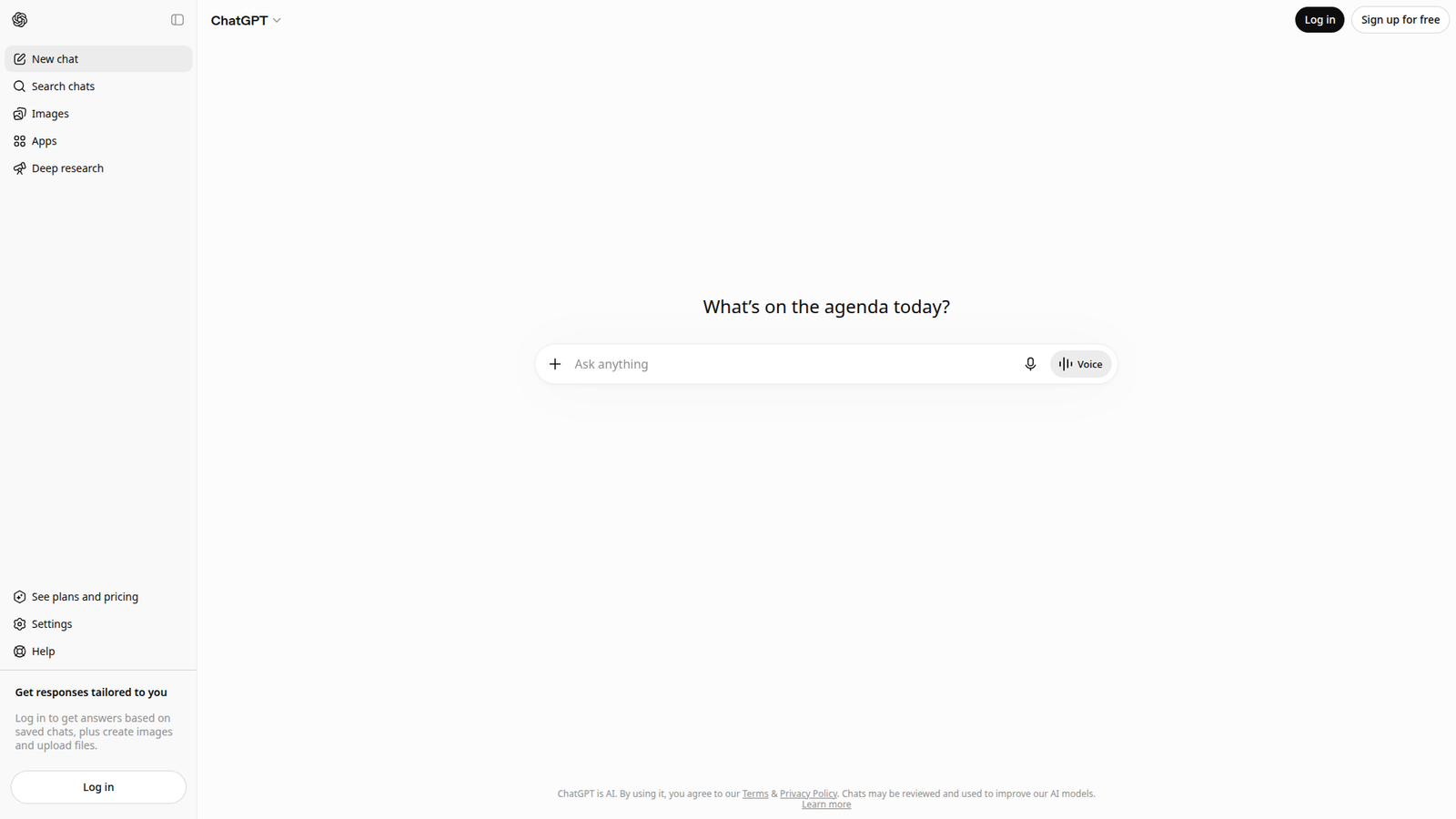
ChatGPT remains the most feature-complete single app: web search, image generation, voice mode, Sora video generation on higher tiers, Deep Research, memory, and an enormous library of custom GPTs and connectors. The trade-off is that GPT‑5.5 is priced noticeably higher than its predecessor ($5/$30 per million tokens vs. $2.50/$15 for GPT‑5.4), so heavy API users may want to default to GPT‑5.4 unless a task specifically benefits from the newer model’s stronger reasoning and lower hallucination rate.
Pricing: Free → Plus $20/mo → Pro $100/mo or $200/mo → Business/Enterprise (per seat).
Claude — Anthropic
Flagship models: Claude Opus 4.8 (top reasoning/coding), Claude Sonnet 5 (new default — near-Opus quality at Sonnet pricing), Claude Haiku 4.5 (fast/cheap), Claude Fable 5 (maximum-capability tier).
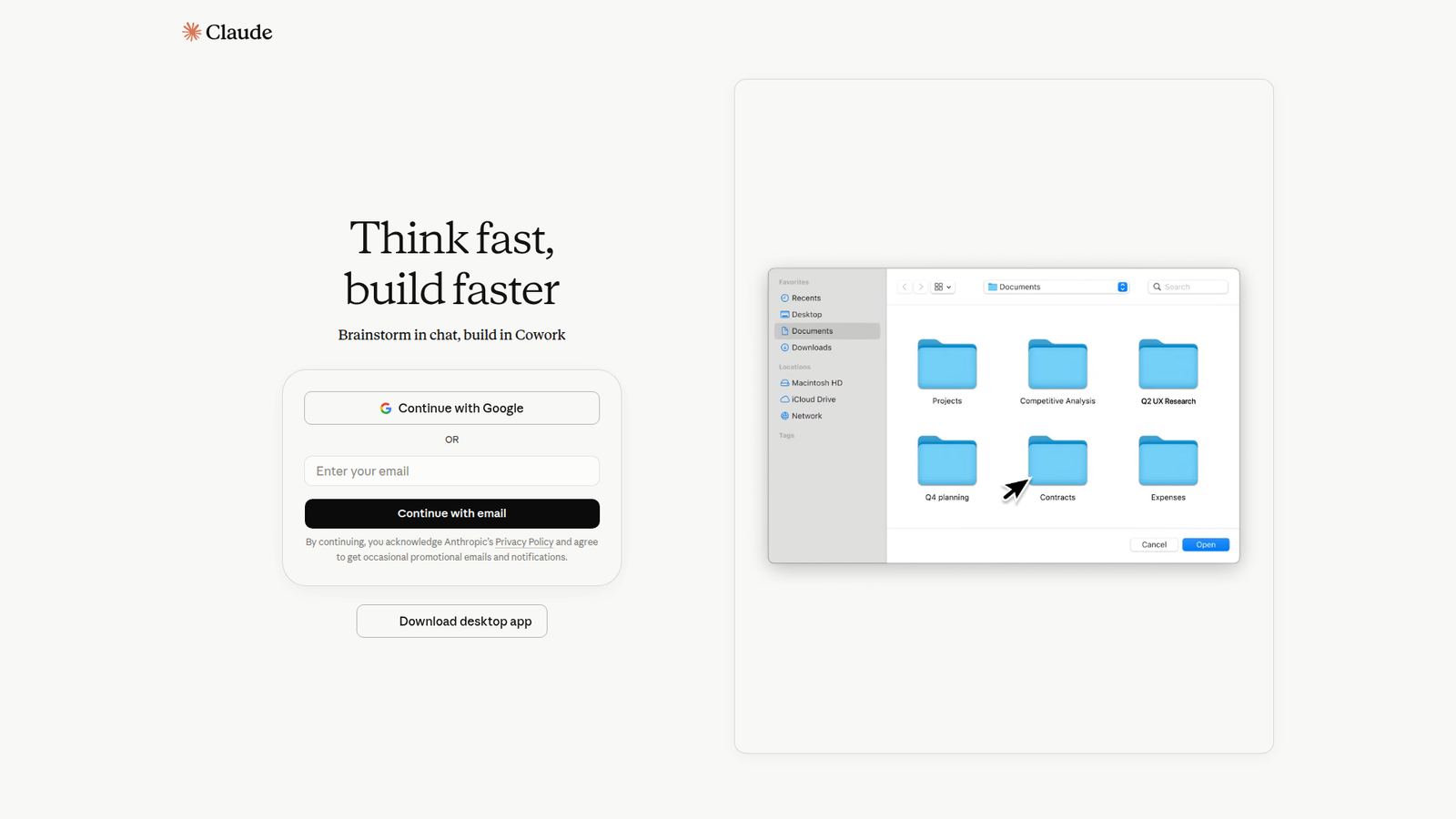
Claude’s reputation is built on writing quality, careful instruction-following, and Claude Code, which is widely regarded as one of the strongest agentic coding tools available. Claude Sonnet 5, launched June 30, 2026, is Anthropic’s bet that most day-to-day agent work doesn’t need a full flagship model — it’s priced at roughly a third of Opus 4.8’s rate while closing much of the capability gap. Claude also offers Projects (organize files/context) and Cowork (a desktop app for more autonomous multi-step work).
Pricing: Free/Pro $20/mo → Max $100–$200/mo → Team/Enterprise.
Google Gemini
Flagship models: Gemini 3.1 Pro (deep reasoning), Gemini 3.5 Flash (faster, cheaper, strong at agentic coding), Gemini 3 Deep Think (hardest problems, Ultra only).
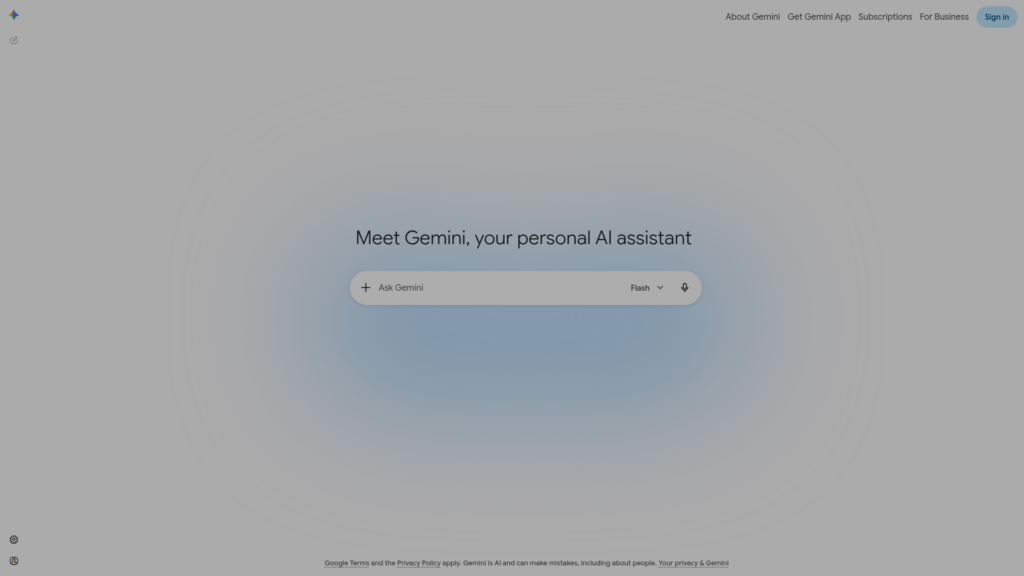
Gemini’s single biggest advantage is Google integration: it can search your Gmail, summarize Drive documents, build a travel itinerary with live flight prices, and sit inside Docs, Sheets, and Search itself (AI Mode). Image generation (Nano Banana) and video (Veo) are both strong. Google significantly cut Ultra’s price in 2026, making its top tier considerably more approachable than before.
Pricing: Free → AI Plus $7.99/mo → AI Pro $19.99/mo → AI Ultra $99.99–$200/mo.
Grok — xAI
Flagship models: Grok 4.3, with Grok 4.1 Fast as an efficient/cheap option and Grok 4 Heavy for the hardest multi-agent tasks.
Grok’s edge is live access to X’s data firehose, making it unusually strong for fast-moving news, trends, and social sentiment. xAI also positions Grok as less restrictive than competitors — useful for some, but it means you should independently verify anything sensitive or high-stakes, since fewer guardrails can also mean more confident wrong answers.
Pricing: Free (~10 prompts/2 hrs) → SuperGrok Lite $10/mo → SuperGrok $30/mo (or X Premium+ $40/mo, which bundles X perks) → SuperGrok Heavy $300/mo.
DeepSeek
Flagship models: DeepSeek V4‑Pro (1.6T parameter MoE) and V4‑Flash (smaller, faster), both open-weight under the MIT license, both natively supporting a 1M-token context window.
DeepSeek continues to be the industry’s clearest proof that near-frontier performance doesn’t require frontier pricing: V4‑Pro scores competitively on agentic coding and reasoning benchmarks while costing a small fraction of what OpenAI or Anthropic charge per output token, and it can be self-hosted with no ongoing API dependency at all. The obvious caveats: it’s a Chinese company, so anyone handling regulated or highly sensitive data should weigh that, and independent benchmark verification still lags behind what Anthropic or Google publish.
Pricing: Free consumer app; API billed per token (among the cheapest of any frontier-class model).
Mistral Le Chat
Flagship model: Mistral Medium 3.5 (also branded Le Chat/Vibe), with several smaller models available as open weights.
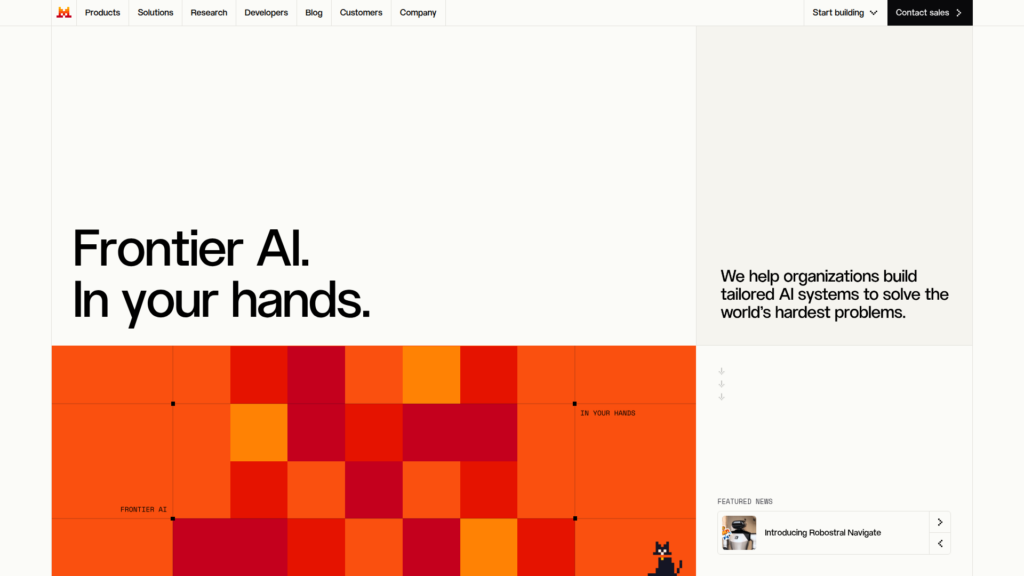
Mistral’s pitch is straightforward: strong multilingual performance, genuine EU data sovereignty (with a “No Telemetry Mode” that keeps prompts out of training data), and the cheapest premium subscription among major labs. Its Work Mode acts as an agent across email, calendar, and documents, always asking for explicit confirmation before sensitive actions — a meaningful feature for privacy-conscious teams.
Pricing: Free (~25 messages/day) → Pro $14.99/mo (student discount ~$6–7/mo) → Team $24.99/user/mo → Enterprise (custom).
Meta AI
Flagship model: Llama 4 and newer generations, running for free inside WhatsApp, Instagram, and Messenger.
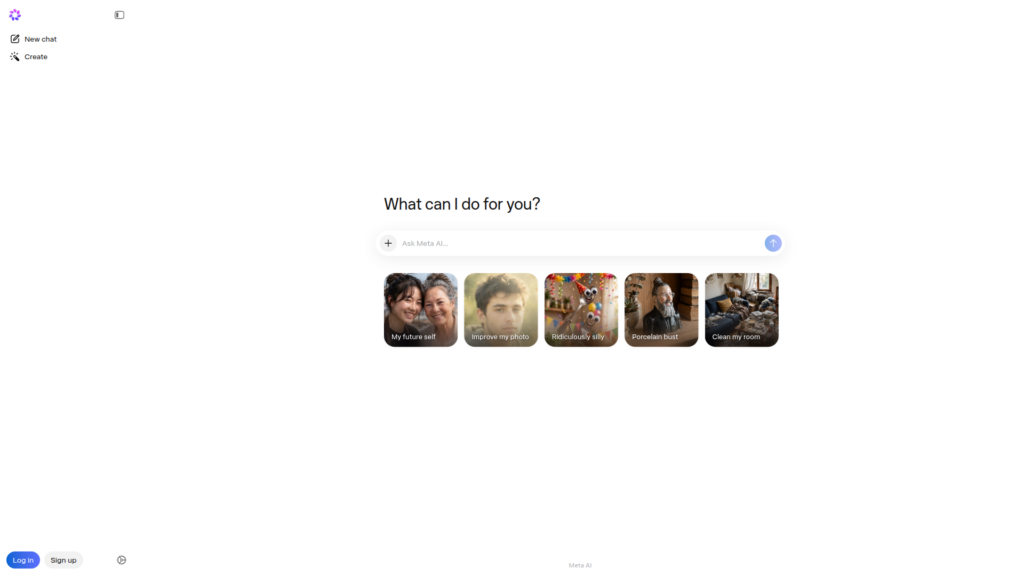
Meta AI’s real advantage is distribution, not capability — it’s already installed on billions of phones through apps people use daily, with no separate download or subscription required. Answer quality is solid but trails the frontier labs, and it still hallucinates more than average, so fact-check anything important. Meta’s open-weight Llama license remains one of the most widely used foundations for independent developers building their own AI tools.
Pricing: Completely free; no paid consumer tier.
Microsoft Copilot
Models: User-selectable — includes GPT‑5.5 and Claude Opus 4.8 depending on task and plan.
Copilot’s differentiator is that it lives inside Word, Excel, Outlook, Teams, and PowerPoint, drawing on your organization’s own files and email to draft documents, analyze spreadsheets, and summarize meetings. Since 2025’s standalone Copilot Pro was folded into Microsoft 365 Premium, personal users get the consumer bundle, while businesses buy Microsoft 365 Copilot as a per-seat add-on.
Pricing: Free (basic chat) → Microsoft 365 Premium ~$19.99/mo (personal) → Microsoft 365 Copilot $30/user/mo (business, requires a qualifying M365 plan).
Perplexity
Models: Sonar/Sonar Pro (proprietary, search-optimized), plus selectable frontier models (GPT, Claude, Gemini) on paid tiers.
Perplexity is built around citation-first answers rather than open-ended chat, making it the strongest choice for research and fact-checking. Its Comet browser (now free on all major platforms) folds an AI assistant directly into browsing — summarizing pages, answering questions in context, and running simple autonomous tasks like form-filling. Max-tier users also get Model Council, which runs a query across multiple frontier models simultaneously and highlights where they agree or disagree.
Pricing: Free (~5 Pro searches/day) → Pro $20/mo → Max $200/mo → Education Pro $10/mo → Enterprise $40–$325/seat.
What actually matters when choosing in 2026
- Reasoning/”thinking” modes. Nearly every major model now offers a fast default mode and a slower “thinking” mode for hard problems (math, code, multi-step analysis). Check whether a chatbot exposes an effort/thinking toggle and whether your plan includes it.
- Live web access. Not every chatbot searches the web by default. If current information matters, confirm the tool actually browses and cites sources rather than answering from training data alone.
- Context window. Most 2026 flagships now support roughly 1 million tokens, enough for full books or large codebases — but tokenizer changes across releases mean the same text doesn’t always cost or fit the same way from one model version to the next.
- Agents and tool use. The bigger question in 2026 isn’t just what a chatbot knows, but what it can do — browse a website, run code, fill out a form, or connect to your own apps.
- Memory. Does the assistant remember prior conversations and preferences, and how much context can it hold at once?
- App integration. A chatbot that already lives inside your email, documents, or calendar saves real time versus one you have to copy-paste into.
- Open weight vs. closed. DeepSeek, Meta, and parts of Mistral’s lineup are open-weight, meaning you can self-host and avoid ongoing API dependency — a real consideration for cost-sensitive or data-sensitive teams.
- Price. Nearly every serious paid tier converges around $20/month, but power tiers now range enormously — from Mistral’s $14.99 Pro plan up to $200–$300/month tiers from OpenAI, Perplexity, and xAI aimed at heavy professional users.
Bottom line
There’s no single “best” chatbot in 2026 — there’s a best chatbot for what you’re doing right now. If you want one all-purpose subscription, ChatGPT or Claude will cover the widest range of tasks well. If you live inside Google or Microsoft’s ecosystem, Gemini or Copilot will save you the most time. If budget or data sovereignty is the deciding factor, DeepSeek and Mistral are the standouts. And if your job is finding and verifying information, Perplexity remains the most purpose-built tool for that specific job.
Nearly all of these have generous free tiers, so the fastest way to decide is still the simplest one: try the two or three tools that match your top use case, run your actual work through each, and keep whichever one gives you the least friction.