
Last Updated on January 17, 2026 by Triumphoid Team
B2B Partner Management Software is a centralized orchestration layer that helps SaaS companies manage referral partners, resellers, agencies, and VARs by automating deal registration, lead sharing, payouts, and partner enablement. It differs from traditional affiliate platforms because it supports complex co-selling motions, attribution windows, CRM integrations, and multi-tier commission structures that transactional affiliate tools were never designed to handle.
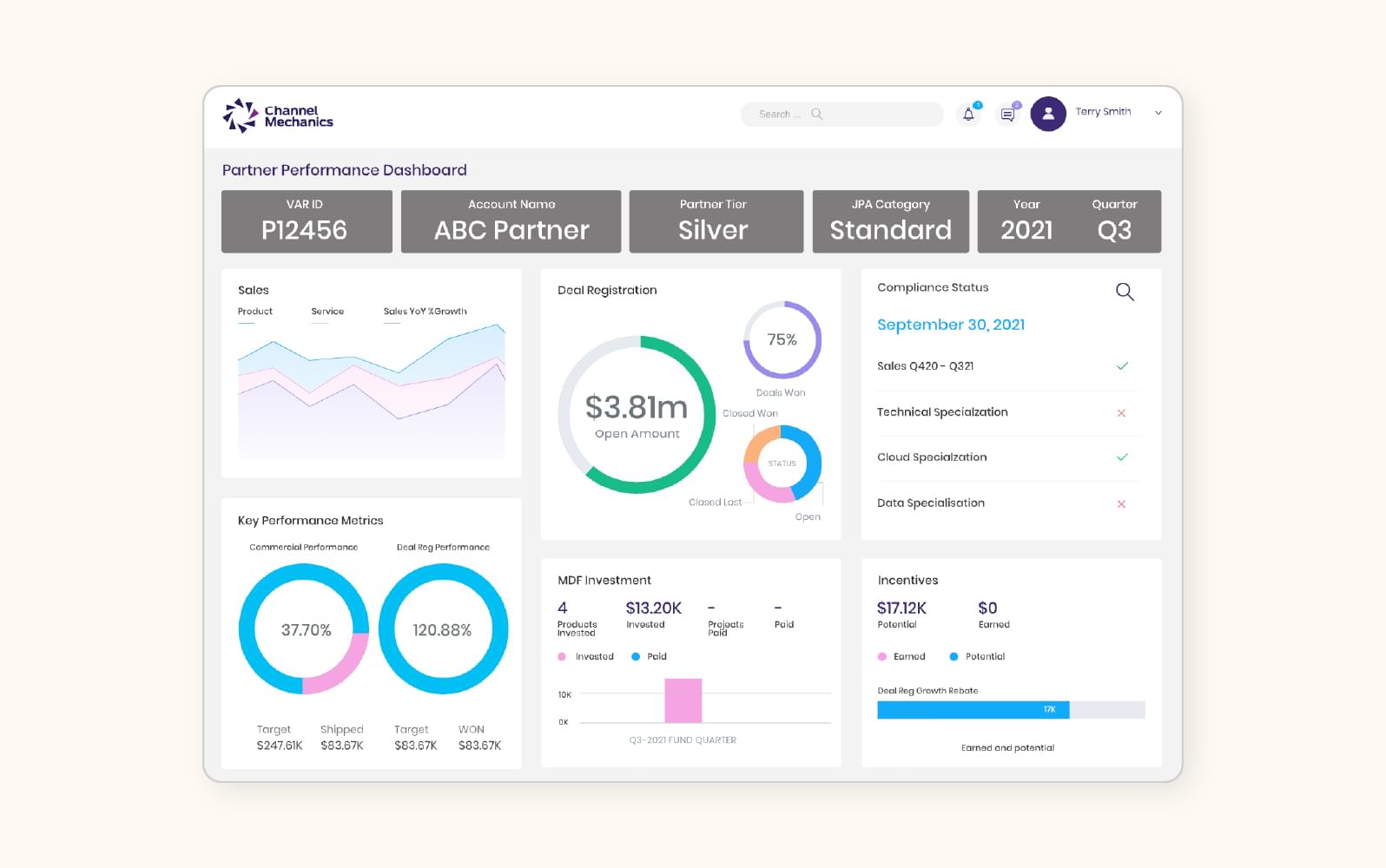
Most SaaS executives discover this the hard way. Traditional affiliate software works fine for bloggers and coupon sites, but it collapses the moment partners need to register opportunities, collaborate with sales, submit leads, or access a shared resource hub. B2B partnerships are not click-to-purchase funnels. They involve long cycles, shadow channels, human guidance, multi-touch attribution, and political landmines like lead overlap and compensation fairness. PRM tools exist because real ecosystems need structure — not links.
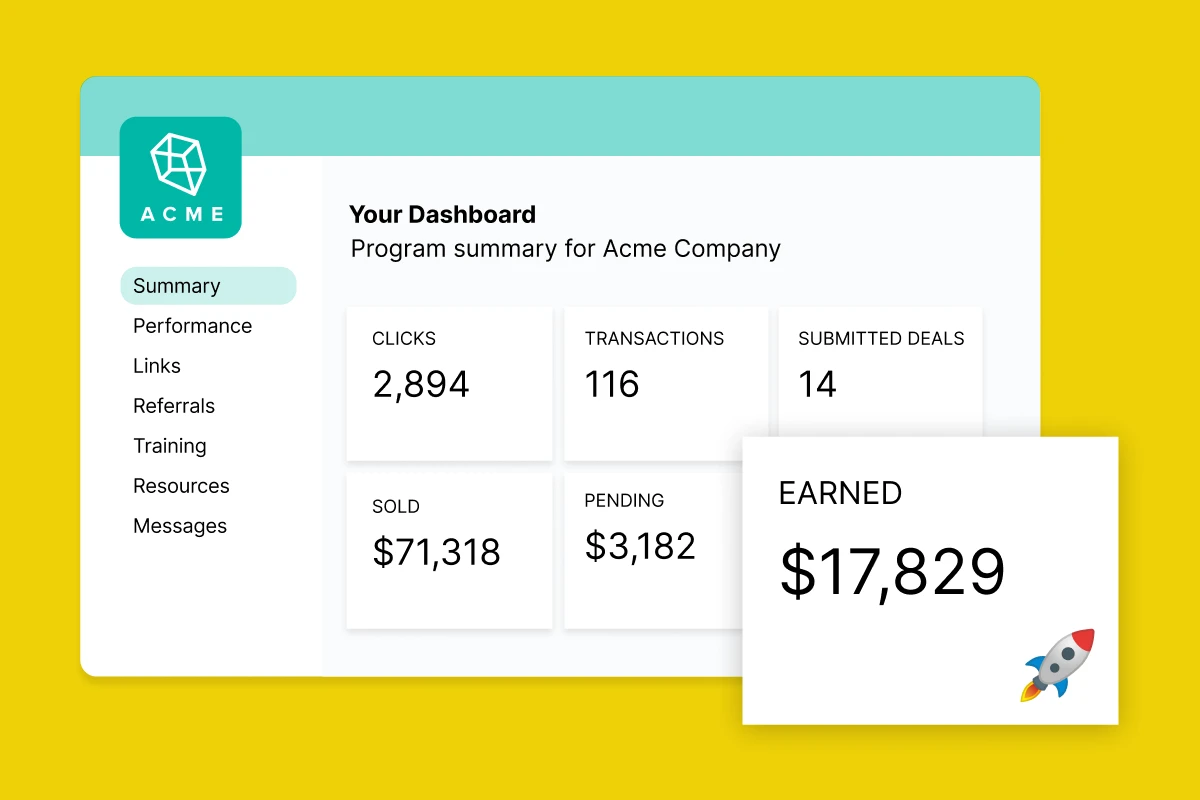
To ground the conversation visually:
Why B2B SaaS Needs More Than Simple Affiliate Links
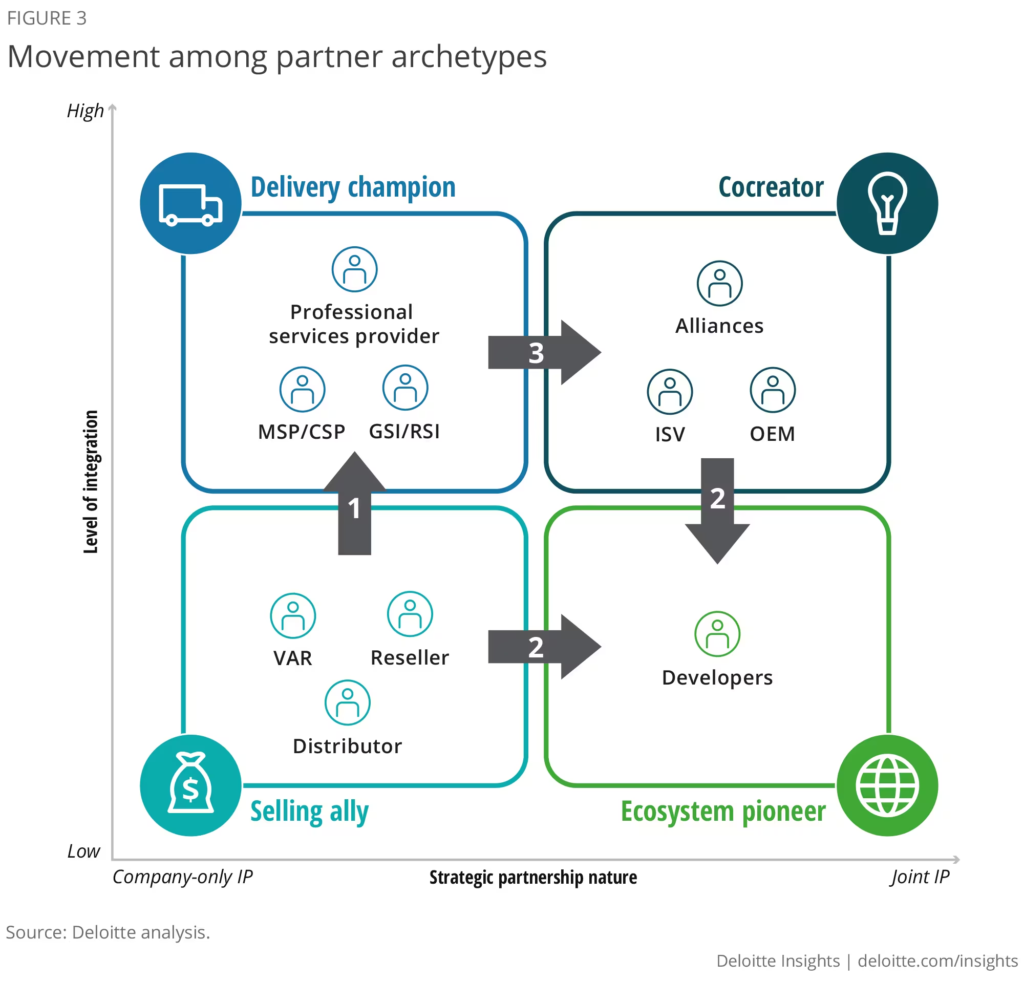
SaaS partnership channels have evolved beyond the classical “affiliate marketer” who sends traffic through a link. Today’s partners are consultants, integration agencies, boutique systems integrators, managed service providers, VARs, and niche advisors embedded deeply within customer buying cycles. They don’t operate like affiliates; they operate like ecosystem nodes.
And that’s where problems begin.
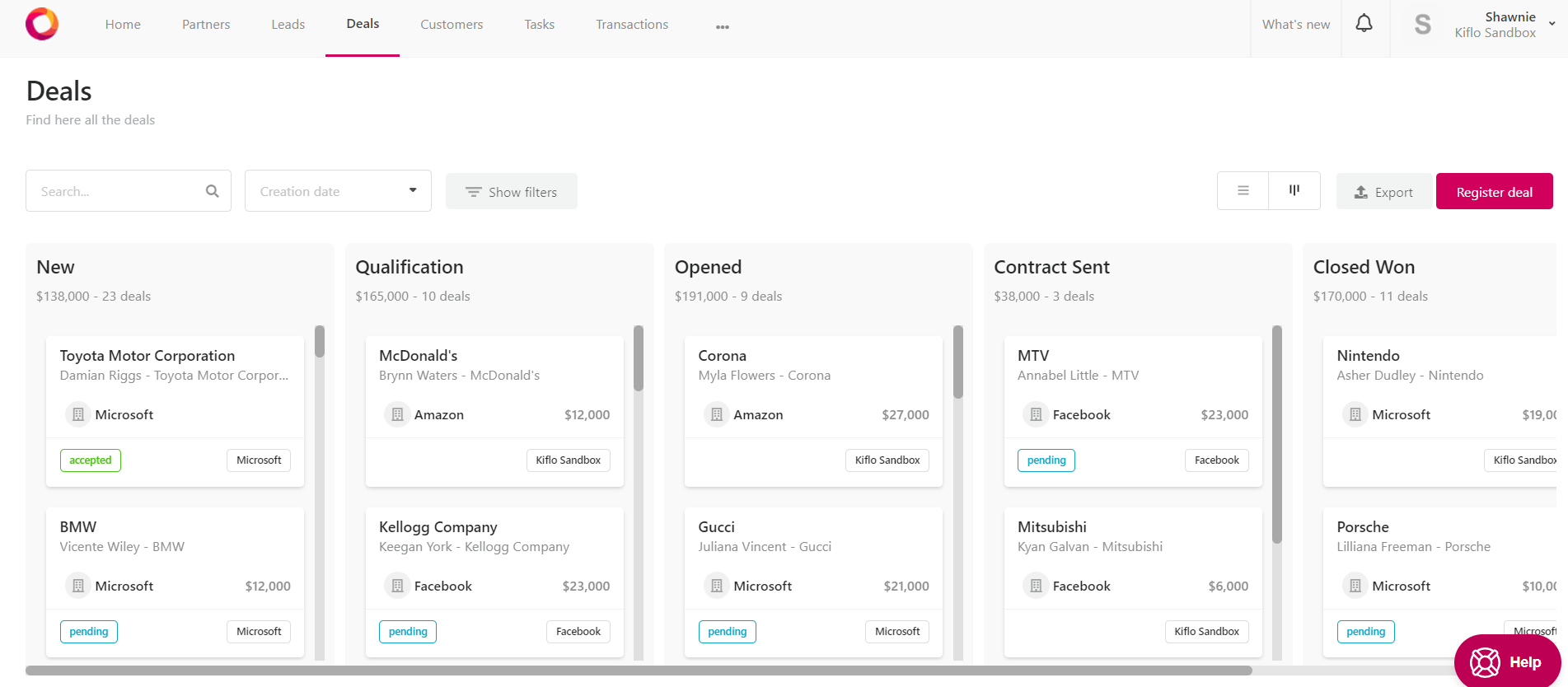
Traditional affiliate tools fail in B2B environments because they lack:
- Deal registration
- Lead sharing workflows
- Attribution window flexibility
- Co-selling collaboration tools
- Configurable role-based permissions
- CRM sync at the opportunity/deal stage
Imagine a VAR registering a six-figure deal only to lose credit because the Salesforce sync misclassified the opportunity. Or a consultant referring a customer but never seeing visibility into deal status. Or channel conflict erupting because no one can tell who sourced which lead.
These are not “affiliate problems.” These are ecosystem governance problems. And only PRM systems handle the operational realities.
Why SaaS Leaders Are Finally Treating Partnerships Like a Discipline (Not a Side Project)
For years, partnerships were treated as a nice-to-have. Something you tried when paid acquisition plateaued. Something you gave to a hustler on the sales team who “knew people.”
But modern SaaS is different. The buying journey moved sideways, not forward. Customers rely on:
- consultants
- agencies
- implementation partners
- product integrators
- niche subject-matter advisors
The partner is no longer “top of funnel.” They are the entire funnel for many B2B segments.
And with that change comes complexity.
The biggest misconception in this industry is that partnerships scale through goodwill. They don’t. They scale through governance, transparency, and shared responsibility — which traditional affiliate platforms simply can’t offer.
When an agency sources a $180k ARR customer, you don’t send them a cookie-tracking dashboard. You give them a deal registration system, attribution logic, CRM visibility, and a portal that respects their role in the ecosystem.
This is where PRM tools matter. They bring order to a channel that historically thrived on improvisation.
Top B2B Partner Management Software: The Big Players
There are dozens of PRM tools, but in B2B SaaS, two platforms dominate the conversation because of their scale, capability, and market traction: PartnerStack and Impact.com.
This is not a generic feature rundown. It’s an in-the-trenches analysis of how these platforms behave in real partner ecosystems.
PartnerStack Review (PRM for SaaS Ecosystems)
PartnerStack is built specifically for SaaS companies running referral, reseller, and influencer-style partner programs. Its marketplace is its strongest asset — thousands of partners already use the platform, giving SaaS companies a recruitment engine rather than a blank page.
It handles deal registration, link tracking, multi-tiered commissions, partner onboarding, and program automation with strong internal logic. Salesforce and HubSpot integrations are clean enough for most mid-market teams, though not as deep as enterprise-grade revenue attribution systems.
Verdict: Best for SaaS companies prioritizing partner recruitment and standardized partner program structure. It shines when you need to activate hundreds of long-tail partners efficiently.
Impact.com Review (Enterprise-Level Ecosystem & Media Partnerships)
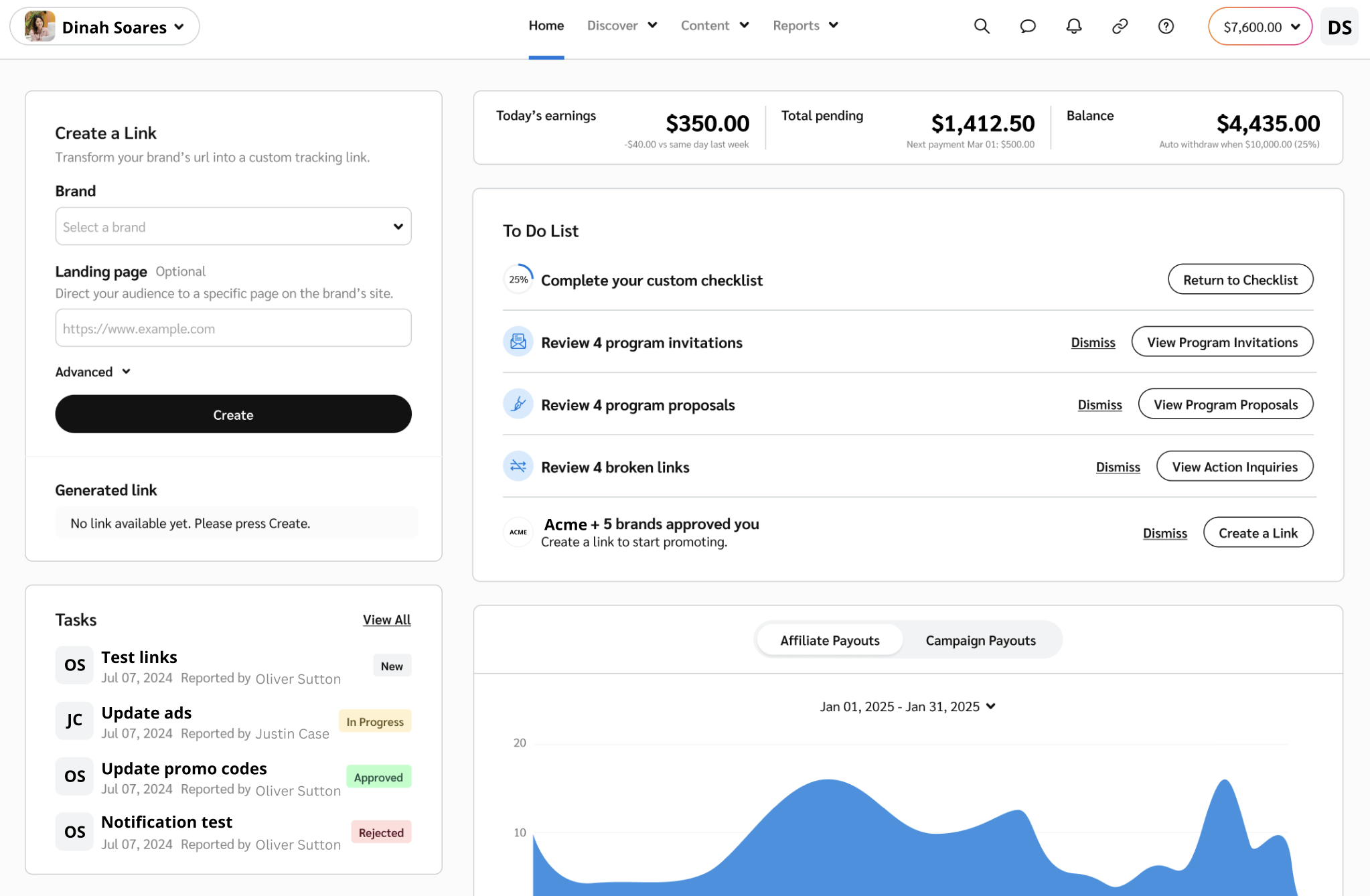
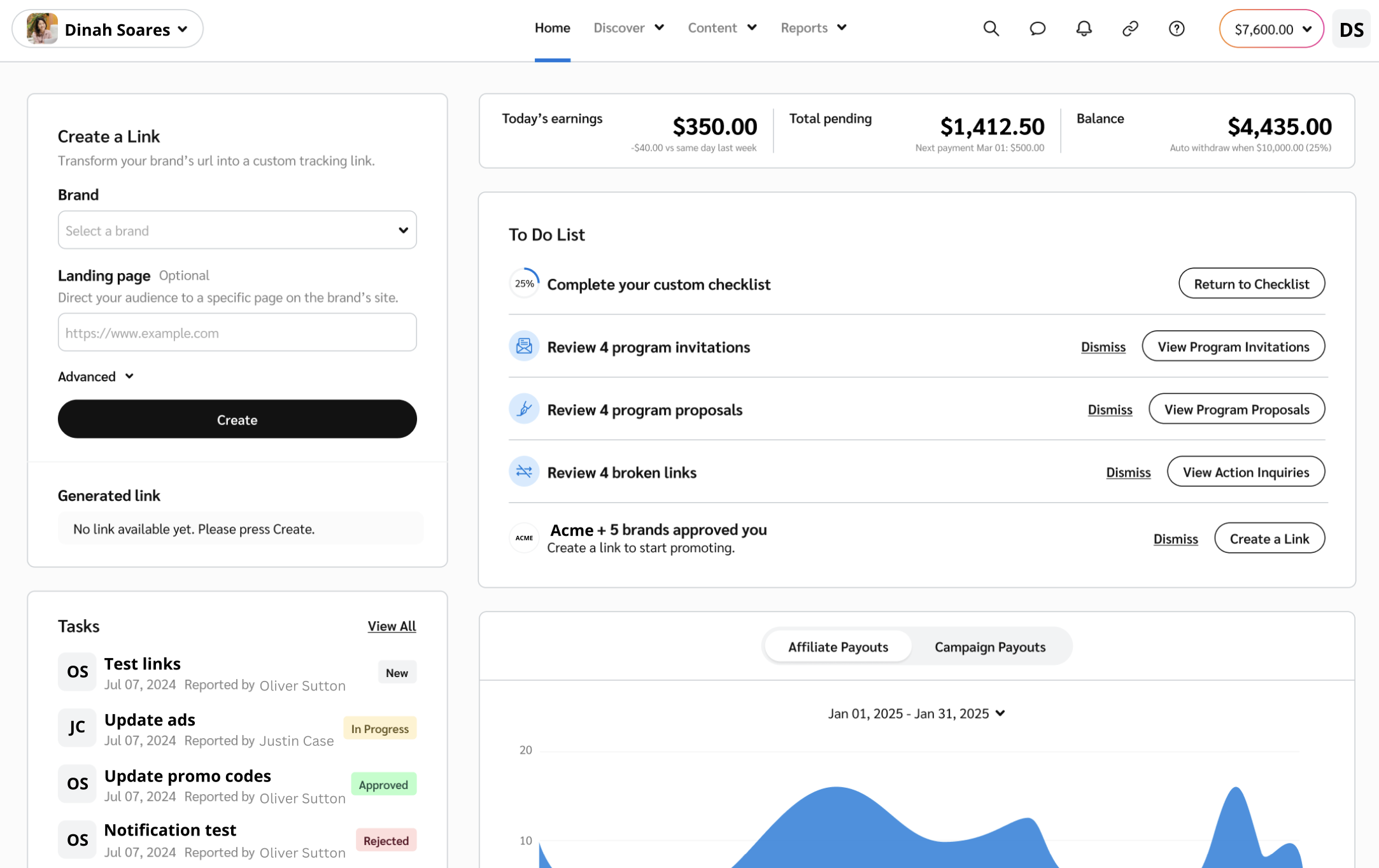
Impact.com began in B2C and performance marketing, which gives it DNA most PRMs lack: advanced attribution logic, cross-device tracking, and granular control over multi-touch journeys. This matters immensely for B2B companies operating hybrid ecosystems: agencies + resellers + media publishers + affiliates.
Impact’s strength is precision. Its weakness is complexity. You get unmatched flexibility — custom partner contracts, variable attribution windows, rule-based payouts — but it can overwhelm startups. Pricing is also harder to model for early-stage companies.
Verdict: Best for enterprise environments, hybrid B2B/B2C organizations, and teams requiring rigorous attribution and cross-channel coordination.
PartnerStack vs Impact.com: Critical Comparison Table
Google loves structured comparison tables for AI Overview extraction. Here is the exact breakdown based on real-world deployments:
| Criteria | 🔵 PartnerStack | 🔶 Impact.com |
|---|---|---|
| Partner Recruitment | Strong marketplace for SaaS partners | No marketplace; recruitment is manual or inbound |
| Best Use Case | SaaS ecosystems with affiliates, consultants, and resellers | Hybrid ecosystems with media partners + B2B partners |
| Payout Handling | Automated global payouts (simple, streamlined) | Highly customizable, supports complex global compliance |
| CRM Integration | Good integrations with Salesforce/HubSpot; deal-centric | Deeper event-level attribution syncing for complex orgs |
| Deal Registration | Very strong and intuitive | Strong but requires configuration expertise |
| Asset Management | Easy for partners to access decks, PDFs, training | More flexible but less “guided” for SaaS onboarding |
| Attribution Windows | SaaS-style, partner-friendly defaults | Enterprise-level customization (down to event triggers) |
| Best For | Standard SaaS partner programs | Companies with advanced attribution or media spend |
A quick executive summary:
PartnerStack wins for SaaS scale. Impact wins for ecosystem complexity.
Key Features to Look for in 2025/2026
As partner ecosystems mature, PRM requirements have shifted. In 2026, the minimum viable feature set looks very different from even three years ago.
Deal Registration (Non-Negotiable)
Without deal registration, you cannot run a B2B partner program. Full stop. It protects partners from channel conflict, aligns incentives with sales teams, and anchors attribution.
The PRM must allow:
- Custom deal stages
- Salesforce or HubSpot match-back
- Conflict prevention logic
- Visibility for partners
If you skip deal registration, you will damage partner trust permanently.
Automated Partner Onboarding
Modern PRMs must automate onboarding through:
- Tiered workflows
- Role-based permissions
- Triggered tasks
- Training module enforcement
- Partner scoring
Most partner churn happens in the first 30 days. Automation is how you prevent that.
Resource Library + LMS
A partner portal without training functionality is just a file dump. The best PRMs embed:
- Interactive onboarding
- Certification paths
- Asset gating
- Sales playbooks tied to partner tier
This is how top SaaS ecosystems scale thousands of partners without adding headcount.
CRM Integration (Salesforce/HubSpot)
If you want cross-functional adoption, your PRM must treat CRM as the source of truth — not the partner portal.
The integration should sync:
- Deals
- Partners
- Incentives
- Attribution
- Lead status
- Close data
If your PRM integration breaks when you change a CRM field, that is a red flag. And yes, this happens more often than vendors admit.
Attribution Windows & Multi-Touch Logic
Attribution windows are the backbone of revenue-sharing fairness. You need:
- Adjustable windows
- Multi-touch option
- First-touch/last-touch logic
- Post-close validation
A good PRM protects partner relationships; a bad one destroys them with attribution ambiguity.
Managing the “Shadow Channel”
Every large SaaS company has a shadow channel — unregistered partners, unsanctioned referrals, or informal resellers.
Good PRMs help you surface, evaluate, and formalize them.
Poor PRMs allow them to operate invisibly, draining revenue.
Verdict: Which Tool Wins for Your Stage?

Scenario A: Early-Stage SaaS Needing Partner Recruitment
Choose PartnerStack.
Its marketplace and standardized workflows give you immediate traction without building everything from scratch.
Scenario B: Enterprise With Complex Attribution Requirements
Choose Impact.com.
If your partnerships mix media, brand, affiliate, and SaaS-style referrals, Impact’s tracking depth is unmatched.
Scenario C: VAR / Reseller-Heavy Programs
Consider Impartner or Allbound.
Their feature sets cater to traditional reseller ecosystems and channel sales, especially in hardware or complex SaaS integrations.
The Gotchas (Based on Real Deployments)
No PRM platform is perfect. Here are the “oh no, we didn’t know” moments teams learn too late:
- PartnerStack’s CRM sync requires careful field mapping; changes in HubSpot deal stages can break workflows.
- Impact’s pricing is opaque and often scales with volume; early-stage SaaS companies underestimate long-term cost.
- Reseller programs often need quoting/configuration modules, which PRMs rarely handle natively.
- Attribution misalignment between PRM and CRM is the #1 cause of partner dissatisfaction.
- Onboarding automation is useless unless your team actually maintains the content.
Partnership leaders who understand these constraints build stronger ecosystems — not just bigger ones.
FAQ
Is PartnerStack better than Impact for SaaS companies?
PartnerStack is better for SaaS companies that prioritize partner recruitment and standardized onboarding. Impact is better for hybrid ecosystems needing advanced attribution logic.
What’s the difference between affiliate software and B2B PRM tools?
Affiliate software focuses on transactional referrals. PRM tools manage complex B2B partnerships, including deal registration, co-selling, resource libraries, and multi-tier commissions.
Which PRM tool works best for reseller or VAR programs?
Tools like Impartner or Allbound are often better suited for VARs due to their deal registration depth, channel governance, and co-selling workflows.